


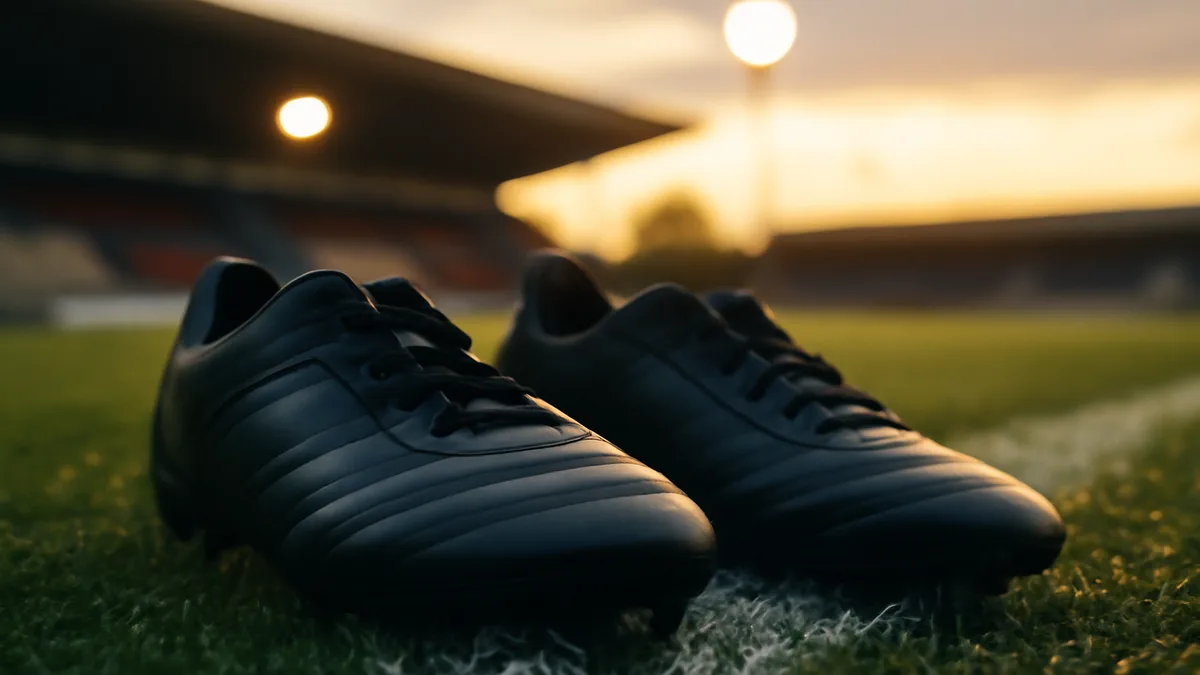
Choosing boots for wide or narrow feet turns on shape more than size. The critical questions are how the last is shaped across the forefoot and instep, how the upper stretches and where the boot will apply pressure under load. Fit failures usually show as hotspots, slipping or numb toes rather than a single measurement difference.
This guide lists the checks and decisions in order of how often they matter. It also explains the lasting features that reliably change fit, the signs that a boot is the wrong shape not the wrong size, and how buying priorities shift for a beginner and for an experienced player.
The priority checks: six things to run through
Last family
The last is the mould used to shape the boot and it fixes the boot’s basic forefoot width, toe-box profile and heel cup depth. Different lasts produce distinct shapes even in the same nominal size: a wide last gives more room across the metatarsals, a narrow last tucks the toes and often raises pressure over the instep. If a maker states the last family, use that as the starting filter.
Upper material and construction
Leather uppers generally stretch and conform more than woven or synthetic skins, so they can accommodate a slightly wider foot without changing size. Engineered knit and molded synthetics keep their cut, which suits narrow feet or players who want a locked feel, but they can squeeze a wide forefoot and cause hotspots.
Soleplate and midfoot volume
The soleplate and internal shank control how much the shoe holds the midfoot and how the forefoot spreads under load. A stiff sole with a narrow midfoot will pinch wider feet even if the upper looks roomy; a flatter, more flexible sole lets a wide foot splay and feel looser. Decide which suits movement needs before compromising on upper comfort.
Shape at the toe box
Toe-box profile varies from rounded to tapered. Rounded boxes allow toes to sit naturally and benefit players with bunions, hammer toes or wide forefeet. Tapered boxes suit narrow feet and reduce internal movement for players whose game depends on sharp footwork. Choose the profile that matches the foot’s toe spread.
Lasted width versus removable insoles
Some fit issues come from internal volume rather than width: a narrow last with a thin insole can still feel roomy, and the reverse holds. Removable insoles let a player fine-tune vertical fit and the forefoot-to-heel balance but cannot change how the last shapes the edges of the foot. Use insoles for minor adjustments, not to mask a wrong last.
Brand tendencies
Certain boot lines have consistent tendencies that are useful when filtering choices. For example, lines traditionally cut on broader lasts are safer starting points for wide feet, while several speed-oriented lines are known for a narrow, close fit. Treat brand tendencies as a first filter, then confirm by trying the specific boot.
Common mistakes players make
Players often assume that a half-size up or down fixes every problem; it does not if the last is the wrong shape. Buying a larger size to solve width can create heel slip and blisters, while choosing a tighter size to stop slipping in a wide last can cause numbness and forefoot bruising. Another frequent error is relying on a single standing fit check. Boots behave differently under running and cutting loads, so a static fit that seems acceptable can become painful in play.
Online photos and last names can mislead: marketing shots emphasise profile lines and materials but rarely show internal volume. Try to obtain at least a short on-field or treadmill run when testing. If that is impossible, focus the store test on dynamic movements: sprint starts, cuts and lateral pushes. Check for hotspots after five minutes rather than just toe length.
Choosing for a beginner versus an experienced player
Beginners should prioritise comfort and room to grow into technique. A slightly roomier, rounded toe box and a forgiving upper reduce the risk of early injury and allow the foot to adapt. Durability and backup soleplates are useful because beginners tend to put more wear on shoes as they learn their gait and strike patterns.
Experienced players can afford a tighter, performance-oriented fit because they know how a specific boot will feel in action. They should prioritise the exact last shape and midfoot hold that matches their gait. An experienced player can use insoles or custom footbeds effectively to shave minor volume without compromising the last’s edge profile.
Where shape errors show, not measurements
Fit problems from shape appear in predictable ways. Hotspots on the medial or lateral forefoot point to a too-narrow last at the metatarsal ridges. Numbness across the toes or a burning sensation indicates excess pressure along the dorsal instep, which usually means the last’s instep profile or vamp is too high for that foot. Heel slip after a few sprints often means the heel cup is too shallow relative to the last rather than the whole boot being too large.
The classic diagnostic drill is a short run with finishing cuts, then inspecting for red marks, displaced socks or early loosening of laces. Those signs tell whether the issue is last shape, upper stretch, sole stiffness or insole volume. Fixing the wrong problem—tightening laces to cure slipping from a wide last, for example—can create worse pressure points.
Comparing typical last types
| Last type | Width profile | Typical brand tendency | Best for |
|---|---|---|---|
| Wide last | Roomy forefoot, lower lateral pinch | Puma King is a long-standing example | Natural toe spread, bunions, wide metatarsals |
| Neutral last | Balanced forefoot shaping, average instep height | Common across mainstream ranges | Most players needing standard fit |
| Narrow last | Tapered forefoot, snug instep | Several speed-focused lines show this trait | Players prioritising lockdown and low volume |
What to do next
Start by measuring foot length and tracing the outline, but treat those numbers as secondary to how the boot’s last matches the outline. Filter choices by last family and known brand tendencies, then test in-store with a short run and dynamic movements. If buying online, check the retailer’s return policy for play-tested returns and aim to test on artificial turf or grass similar to usual playing surfaces.
If persistent doubts remain, consult a specialist fitter or a podiatrist for a footscan; they can identify high or low arches and medial-lateral pressure patterns that a simple measurement will miss. Use removable insoles only for small vertical-volume changes and never as a substitute for the correct last. Finally, keep a record of which last and size worked — it speeds future purchases and prevents repeated mistakes.
shoe last and foot anatomy
Frequently asked questions
How do I tell if my boot last is too narrow?
A too-narrow last produces hotspots over the metatarsal heads and a burning sensation across the toes, especially after running. If toes feel pinched even when length is correct, the last shape is likely the issue.
Can insoles fix a wrong boot shape?
Insoles can adjust vertical volume and forefoot-to-heel balance but cannot change how the last shapes the edges of the foot. They are useful for minor tweaks but not a substitute for the correct last.
Which materials suit wide feet best?
Leather uppers tend to stretch and conform, offering more forgiveness for wider forefeet, while engineered knit and molded synthetics hold their cut and can be restrictive for wide shapes.
