


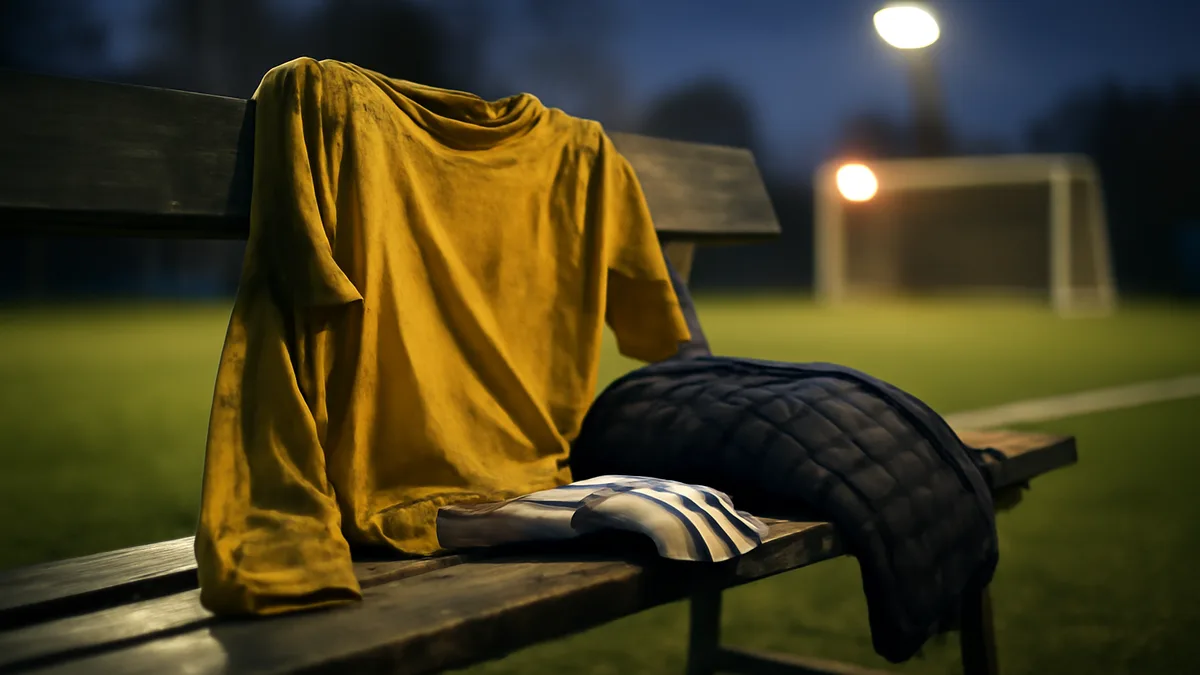
Deciding what to buy beyond gloves is about three competing needs: protection where impacts happen, freedom to dive and move, and fabrics that survive the surface played on. Prioritise the one that fails hardest for the goalkeeper in question: repeated bruising argues for padding, cramped movement argues for cut changes, and a lot of sand or hard kicks argues for abrasion resistance.
This guide lists the checks that matter in the order most keepers should treat them. Each heading gives the decision and the plain reason for it, with practical notes on brand tendencies and maintenance where those tendencies are long‑standing and useful to know.
How to decide
Start by matching the kit to the playing environment and the goalkeeper’s usual actions. If most training and matches are on artificial turf, abrasion and grip when sliding are the priority; if the keeper dives frequently in full matches, chest and hip padding should move up the list. Try items in the same movement the keeper will use: reach sideways, drop to a knee, push off for a save. Test layering with the gloves on and with a common base layer underneath.
Where people go wrong
- Choosing by colour. Bright shirts look like team identity but tell nothing about padding, cut or fabric durability, so colour should be a secondary choice.
- Over‑padding the wrong place. Buying big amounts of foam on the forearms only helps when those forearms strike the ground repeatedly; chest or hip padding can be more useful for keepers who meet the ball in traffic.
- Ignoring surface abrasion. Lightweight fabrics can tear quickly on hard or sand‑infilled turf; choose abrasion‑resistant or reinforced knees and elbows for those surfaces.
- Skipping movement tests. A shirt that restricts shoulder rotation defeats the purpose of padding; always raise both arms fully and make lateral reach movements when trying kit.
Fit and cut for full range
Prioritise unrestricted shoulder and torso movement. A goalkeeper needs full overhead reach and an unimpeded lateral lean; if a cut pulls across the chest on a reach, try a different size or a relaxed cut. Look for raglan or drop‑shoulder sleeves, which are a common design choice in goalkeeper shirts because they shift seamlines away from high‑movement zones. Brands differ: some lines run on a slimmer athletic cut while others offer a deliberately relaxed goalkeeper fit — match the cut to the keeper’s build and throwing style rather than to outfield sizing.
Padding: location and density
Padding belongs where the keeper lands or takes contact. Choose foam panels for chest and hips and shaped pads for elbows and forearms that follow the arm in a dive. Dense foam gives impact protection but can reduce mobility; open‑cell or segmented foam patterns preserve movement while still reducing shock. For keepers who claim frequent collisions, look for stitched or integrated panels rather than glued inserts, as stitched panels tend to stay in place and keep their shape longer.
Sleeve length and cuff type
Long sleeves add contact protection and reduce abrasion on slides; short sleeves improve cooling and are compatible with layered arm pads. Elasticated cuffs that close at the wrist prevent sleeves riding up on a dive. For goalkeepers who use integrated wrist tape or wear extra wrist support, a looser cuff with a secure inner sleeve is more practical than a tight elastic cuff that traps tape.
Trousers and shorts for hard ground
On hard or sand‑infilled turf choose reinforced knees and abrasion‑resistant fabrics on contact zones. Traditional heavy cotton will abrade quickly; modern trousers use denser weaves or Cordura‑style inserts on knees and seat to resist tearing. Shorts are acceptable for keepers who slide less, but trousers with stretch panels at the crotch and back of the knee keep mobility while preventing scuff damage. Waist adjustment and a secure drawcord matter more on hard surfaces where friction can pull trousers loose in a tumble.
Base layers and thermal choices
Base layers control temperature and wick moisture; choose a close but not compressive fit so they do not restrict extension. Compression garments can reduce muscle vibration but may impede deep shoulder extension. For cold conditions use thicker fleece‑backed base layers that still allow freedom of motion; for hot or humid environments pick lightweight, rapid‑dry fabrics with mesh panels under the arms.
Glove care kit and textile maintenance
Glove maintenance is part of kit care. A basic glove care kit contains a gentle latex cleaner, a soft brush or sponge, a breathable glove bag for transport, and a humid drying location away from heat. The same care habit benefits padded shirts and trousers: wash on a gentle programme or hand wash to preserve foam and reinforcement stitching, and avoid tumble drying which compresses foam and can delaminate glued panels.
Comparing outerwear options
| Item | Protection | Mobility | Best surface |
|---|---|---|---|
| Padded jacket | High across chest/hips | Medium; depends on paneling | Hard natural and artificial turf |
| Padded shirt | Medium on forearms/elbows | High with segmented foam | Grass and light artificial |
| Reinforced trousers | High at knees/seat | High with stretch inserts | Hard and sand‑infill turf |
| Shorts | Low unless padded | Very high | Soft grass and indoor |
Beginner versus experienced keepers
Beginners benefit from more visible protection: chest pads and forearm panels reduce bruising while learning to fall and dive. Simpler kit with robust fabrics is sensible because new keepers tend to wear gear harder. Experienced keepers can prioritise tailored cuts and lighter segmented padding to keep mobility high, and may choose specialist trousers with asymmetric reinforcement where they habitually plant or slide. Experience also guides maintenance: veteran keepers often keep a dedicated glove wash and spare paddings that they trust to a single supplier line.
What to do next
Try a short shopping checklist: test reach with gloves on, press pads with a hand to check compressibility, make a few lateral dives in the shop if possible, and insist on moving in the same layers used in match play. Pick one item at a time to upgrade rather than replacing everything; start with trousers on rough surfaces and move to padded shirts only if bruising or contact frequency demands it. Finally, set up a simple maintenance routine: wash gently, air dry away from direct heat, and store gloves in a breathable bag.
Note the equipment rules under Law 4 when fitting visible padding and ensure club colours and authorised markings comply with competition regulations. This guide focuses on practical choice; for role definitions and broader equipment context see the entry on goalkeeper kit.
Frequently asked questions
What padding should a new goalkeeper buy?
A new goalkeeper should prioritise chest and forearm padding because those areas take the most impact during dives. Choose segmented or stitched foam panels so protection does not severely reduce shoulder rotation.
Which trousers work best on artificial turf?
Trousers with reinforced knees and abrasion‑resistant fabric are best for artificial turf, especially sand‑infilled surfaces. Look for stretch panels behind the knee and at the crotch to retain mobility despite extra reinforcement.
How should goalkeeper textiles be cared for?
Wash padded shirts and trousers on a gentle cycle or hand wash to preserve foam and stitched panels, and avoid tumble drying which can compress foam. For gloves, use a gentle latex cleaner, a soft sponge and a breathable bag for storage; dry away from direct heat.
