


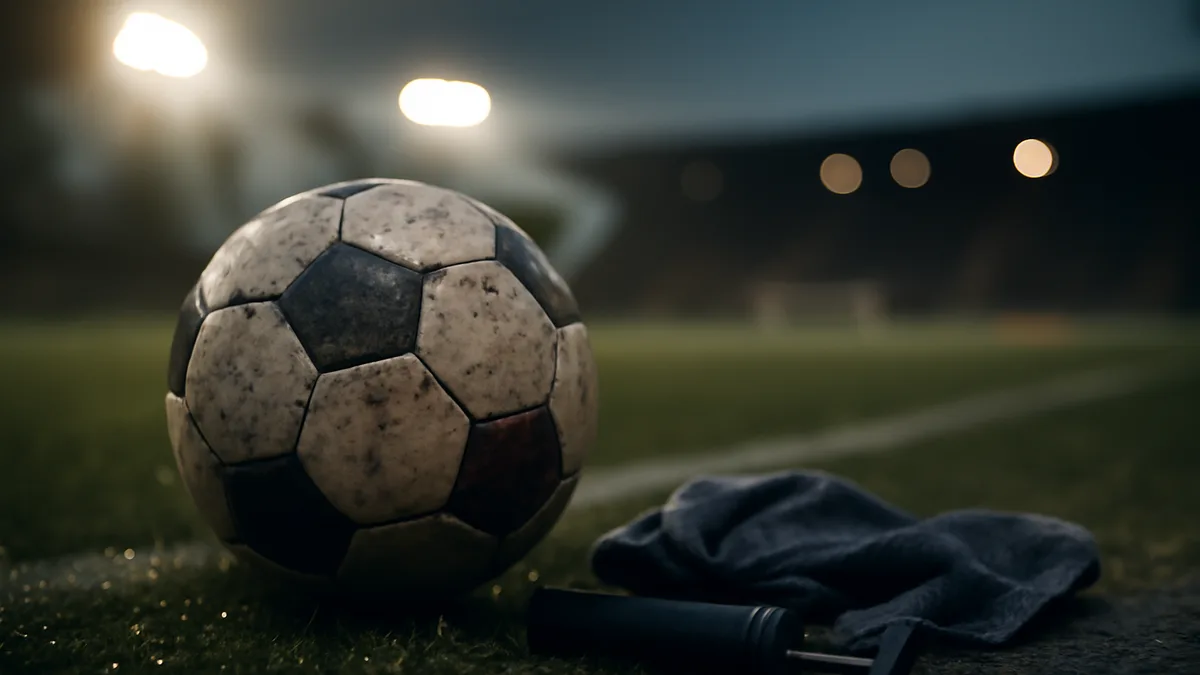
Keeping a ball in reliable condition for a whole season turns on two choices: how much play and how much protection. A ball used every session by a team needs different daily routines from one kept for weekend matches only.
This guide puts the priorities in order and gives a clear maintenance checklist. Follow the sequence below and combine it with the decision pointers in the opening sections to pick the right practices for a competition or training schedule.
How to decide which care plan suits the ball
Decide first whether the ball is a match ball, a training ball or an all-weather practice ball; the amount of handling, exposure to wet conditions and frequency of play are the factors that matter most. Match balls usually have finer panels and a more sensitive surface finish, so they need gentler cleaning and stricter pressure checks. Training balls are built to tolerate repeated contact and abrasive surfaces; they accept more aggressive scrubbing and can often be stored at slightly lower pressure without losing useful performance.
Also weigh up the environment: outdoor grass, artificial turf and indoor courts all age a ball differently. Artificial surfaces abrade synthetic skins faster and can open seams, so inspect stitching more often after sessions on turf. In regions with cold winters or prolonged wet seasons, prepare a winter plan that includes raising storage temperature slowly after matches and reducing inflation for long storage spells. Check the FIFA Quality Programme for construction and pressure guidance if the ball will be used in sanctioned matches.
Season maintenance checklist
The checklist below is the core, designed to be used weekly in season and monthly off-season. Run through it after heavy use or any incident (deep scrape, prolonged soaking, or hitting a hard object).
- Daily visual check: Inspect for cuts, loose stitching and panel separation before storage to catch problems before they worsen.
- Flexible pressure check: Measure pressure with a reliable gauge and correct to the recommended range for the ball’s type and surface.
- Valve inspection: Examine the inflation valve for debris, cracking or looseness and replace or repair if air loss is detected.
- Surface cleaning: Remove mud and grime with a soft brush and mild soap; avoid solvents or heavy detergents that attack the cover.
- Drying and storage: Dry naturally at room temperature and store away from direct heat, sunlight and damp — use breathable containers or mesh bags.
- Rotation and rest: Rotate balls used in a squad so no single ball is overused; give each ball a low-pressure rest day after heavy sessions.
Common mistakes that shorten a ball’s life
Many avoidable habits speed up wear. First, leaving a wet ball in a hot boot or a closed car trunk breeds delamination; the combination of heat and trapped moisture breaks adhesives. Second, over-inflation is a frequent error: pressuring a ball above its recommended range stresses seams and increases the chance of sudden puncture when the ball is kicked.
Third, using strong chemical cleaners or household solvents on leather or coated surfaces strips protective finishes and makes the cover porous to water. Fourth, ignoring valve damage — a brief puncture or a cracked valve core that leaks slowly will compound with each inflation cycle until the ball becomes unusable. Fix valve issues early and consider a professional repair for match balls where integrity matters.
Six priority checks before and after play
Pressure consistency
Check and set pressure before each match and at least twice weekly during heavy training blocks. Use a calibrated gauge and aim for the ball’s recommended range; adjusting for temperature differences matters because cold conditions lower internal pressure and warm conditions raise it.
Valve condition
Inspect the inflation valve visually and by listening for slow leaks after inflation. Clean around the valve with a soft cloth to remove grit, and use a replacement core if the valve shows cracking or repeated leakage; a compromised valve is the most common source of unexplained deflation.
Surface and seam inspection
Run fingers along seams and panels to find raised edges, splits or loose threads and mark any faults for repair. Small separations can sometimes be bonded with approved adhesives, but larger delamination on a match ball usually requires an expert repair or retirement.
Cleaning routine
Remove mud and grit immediately after play using a soft brush and lukewarm water with mild soap; avoid soaking a leather ball. For synthetic covers, gentle scrubbing with a sponge keeps texture and grip; never use abrasive pads or chemical solvents that can alter the ball’s touch.
Drying and temperature control
Allow a wet ball to air dry at room temperature away from direct heat sources; do not speed-dry with heaters or hair dryers. Store balls in a cool, dry place and if they move into colder storage for winter, let them return to ambient temperature gradually before reinflation to avoid condensation forming inside the cover.
Rotation and workload
Rotate balls within a training set so individual units share the workload and wear is distributed evenly. Match balls should be used lightly in training and reserved for competitive sessions; this preserves panel integrity and consistent flight characteristics across the season.
Material comparison table
The table below compares common ball cover types and how they perform on key axes so the care plan can be matched to the construction.
| Material | Durability | Water resistance | Care focus |
|---|---|---|---|
| Natural leather | Moderate — sensitive to abrasion | Low unless treated — so prompt drying essential | Moisture control and mild cleaning |
| Synthetic (PU/TPU) | High — built for frequent use | Good — resists absorption | Avoid abrasive cleaning; check seams |
| Textured training covers | High — made for turf wear | Very good — designed for all-weather use | Surface cleaning and rotation to avoid uneven wear |
What differs for beginners and experienced users
Beginners should prioritise rotation and simple pressure checks: keeping several balls in play and checking pressure regularly prevents rapid degradation when technique produces unusual impact points. Experienced teams and coaches should add valve maintenance and pre-season conditioning, and invest time in controlled drying and professional repairs for match balls to keep flight and touch consistent across competitions.
Clubs that travel should assign responsibility for ball care to a named staff member and carry a compact kit containing a gauge, spare valve cores and a soft brush. That small investment prevents the common mid-season scramble caused by lost pressure or scuffed match balls.
What to do next
Choose the maintenance intensity that matches how often the ball is used and the playing surface. Print the season checklist, set twice-weekly checks into the squad routine, and carry the small repair kit on match days. If a ball develops structural damage that affects shape or flight, retire it from match use rather than risk unpredictable behaviour in play.
Frequently asked questions
What pressure should I keep a ball at?
Keep a ball within the manufacturer’s recommended pressure range and check it before each match. Adjust for temperature: colder conditions lower internal pressure and warm conditions increase it.
How do I protect the inflation valve?
Keep the area clean and inspect the valve for cracking or slow leaks after inflation. Replace a damaged core promptly; a faulty valve is the most common cause of ongoing deflation.
How should I store balls over winter?
Dry balls completely and store them in a cool, dry place away from direct heat or sunlight, using breathable containers. If stored in cold conditions, let them warm slowly to room temperature before reinflation to avoid internal condensation.
