


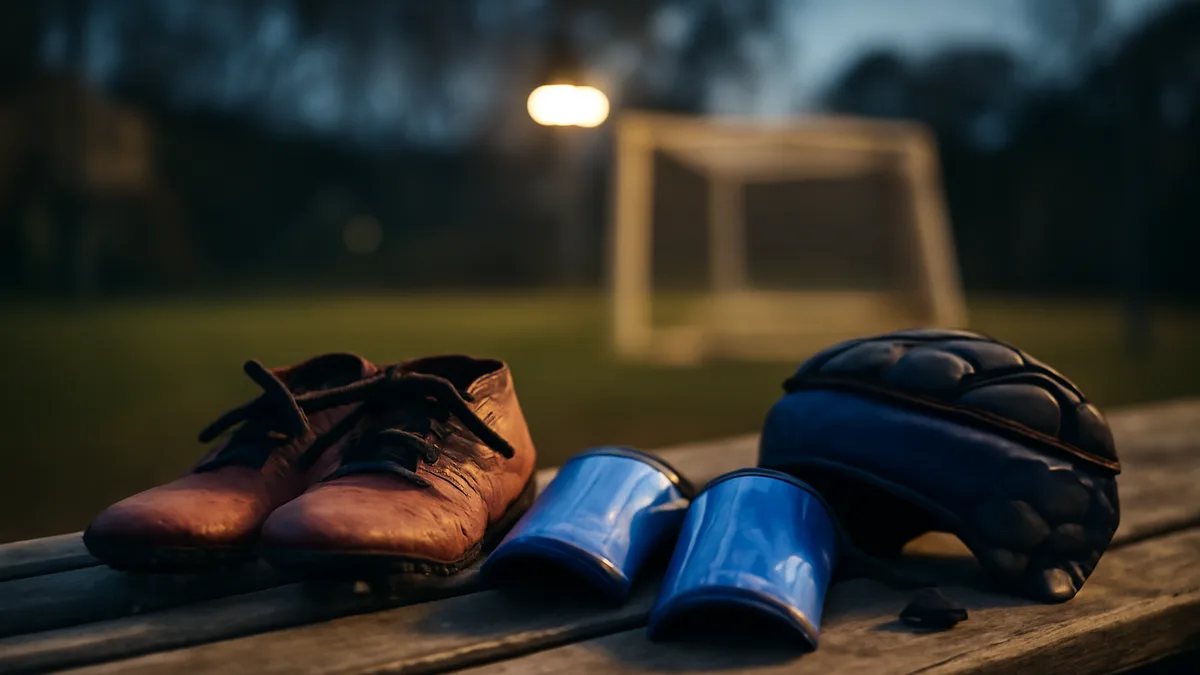
Buying sports gear for children balances two competing facts: kids grow fast, and some items carry a safety risk that cannot be accepted second‑hand. The decision turns on three things — whether the item protects the head or face, whether fit and structural integrity are critical, and whether hygiene or wear affect performance.
This guide gives a ranked, practical checklist of the common kit items parents face: helmets, guards, boots, gloves and a few extras. Each point states the rule, explains why, and tells what to inspect when considering a used item.
How to decide before shopping
Start by asking two questions: does a failure of the item cause immediate bodily harm, and does improper fit reduce protection? If the answer to either is yes, lean strongly toward new. Next consider turnover and growth: for items children outgrow in a single season, a good-condition used buy can be economical. Finally, factor hygiene — pads and close‑contact fabrics often need either professional cleaning or new purchase.
Where buyers typically go wrong
Parents most often underestimate how fit changes protective performance. A helmet or shin pad that looks intact may no longer fit the child’s head shape or shin length after a season, which undermines protection. Buyers also accept cosmetic wear as unimportant: scuffs on a shell are cosmetic, but cracks or compressed liners are not. Finally, sellers will state “rarely used”; verify that claim with inspection rather than trusting the listing.
Beginner versus experienced families
For parents buying their first set of kit, prioritise new for helmets, mouthguards and any item that must form a tight seal or cushion an impact. Families with older children who have a known size may safely rotate used boots, jerseys and outer pads if they inspect for fit and damage. Experienced buyers can keep a small toolkit: a head measuring tape, a probe to test foam rebound, and an antiseptic spray for fabrics.
Helmet safety and standards
Helmets should always be purchased new. The protective liners and energy‑absorbing foam compress on impact and that damage is invisible once repaired, so a used helmet presents an unknown failure risk. Always confirm that a new helmet bears the relevant standard mark for the sport and size it for the child by measuring head circumference; a helmet that does not sit correctly on the brow will not protect as designed. For guidance on testing and labelling look for specific local standards and for clear instructions on replacement intervals listed by suppliers.
Shin guards and leg protection
Shin guards are safe to buy second‑hand so long as the hard shell is crack‑free and the inner foam retains thickness. The two critical failure modes are shell fracture and crushed foam that no longer absorbs impact. Inspect the inside surface with light and press the foam to check rebound. Straps and sleeves should fasten securely; replace worn elastic or sleeves. Hygiene matters: washable sleeves can be laundered, while glued foam liners that smell strongly should be avoided.
Boots and footwear
Boots are commonly bought used because children outgrow them quickly. The main concerns are correct fit, sole integrity and cleat condition. Try boots on with the socks the child will wear and check room in the toe and heel hold; a boot that is already heavily creased or has sole separation is not a bargain. For certain foot shapes, select brands known for their lasting last — for example, lines traditionally cut on a broader last are safer for a wide foot. Replace insoles if hygiene or wear is an issue.
Gloves: batting, catching and goalkeeping
Gloves split into two groups. Soft gloves that absorb sweat and bacteria — such as batting gloves or fielding gloves used close to the hand — are acceptable used if they show no structural wear and have been cleaned. Goalkeeper gloves and cricket wicket‑keeping gloves are different: the palm material wears down and the grip or padding performance drops with use, so expect shorter useful life even if the glove looks intact. Check seams, palm texture and any backing for delamination before buying used.
Mouthguards and oral protection
Mouthguards should always be new. They form a personal fit and are subject to hygiene and wear that cannot safely be transferred between users. Custom or boil‑and‑bite devices need to be fitted to the child; used devices will not match and could trap bacteria. For instructions and best practice on fitting consult authoritative guidance on mouthguard fitting.
Hard shoulder, chest and face guards
Chest and face guards that include rigid elements — such as plastic cages or composite plates — are best bought new. Cracks can propagate invisibly and fittings may have been stressed. However, soft shell covers or pads without structural components can be safely purchased used if straps and attachment points are intact and foam is not crushed.
Table: comparing new versus used on the same axes
| Item | Safety risk if failed | Hygiene concern | Used recommended? |
|---|---|---|---|
| Helmet | High | Low-to-medium | No |
| Mouthguard | High | High | No |
| Shin guards | Medium | Medium | Yes, if intact |
| Boots | Low-to-medium | Medium | Yes, with inspection |
| Goalkeeper gloves | Low | Medium | Cautious — check wear |
What to do next
Measure the child and make a short priority list: items that must be new (helmets, mouthguards, rigid chest/face guards), items that should be inspected closely (shin guards, gloves), and items where a used purchase is usually fine (boots, jerseys). When buying used, always inspect in person: look for cracks, press foam for rebound, test straps and seams, and smell for persistent odour. For hygiene, wash textiles and replace insoles; for protective items that pass inspection, buy new straps or sleeves if those parts are worn. Finally, keep receipts and check local return policies: a quick in‑use check after purchase often uncovers fit issues not obvious in a static inspection.
Frequently asked questions
Which kids’ sports items must be bought new?
Items that absorb impact or require a personal fit — helmets, mouthguards and rigid face or chest plates — should be bought new because internal liners, custom fits and unseen damage compromise safety.
How to inspect used shin guards and boots?
For shin guards, check the hard shell for cracks and press the foam to ensure it rebounds; inspect straps and sleeves. For boots, fit them with the socks the child will wear, check heel hold and toe room, and examine the sole for separation or excessive stud wear.
Are goalkeeper gloves worth buying second‑hand?
Goalkeeper gloves can be bought used if the palm material, seams and foam remain in good condition, but their grip and padding wear with use. Prefer lightly used gloves and test the palm texture and seam integrity before buying.
