


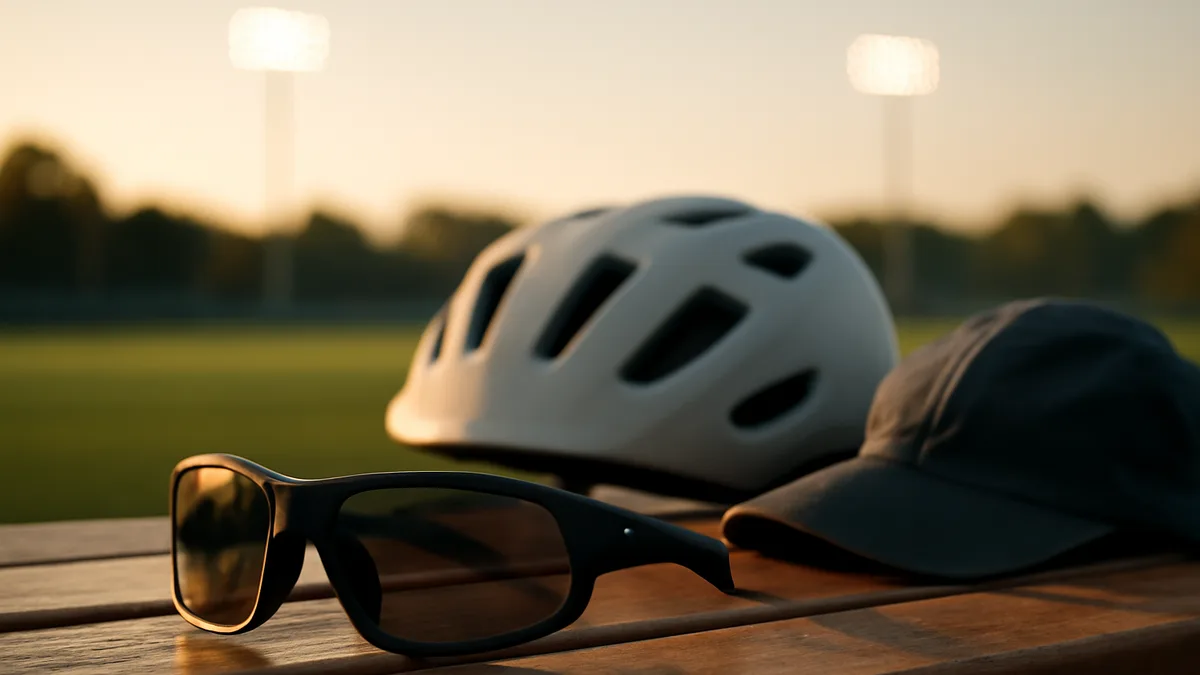
Buying sunglasses for outdoor sport comes down to three core tests: vision in the conditions you face, a secure fit during movement, and protection against impacts and UV. Decide those first; brand names and materials only matter as they answer those three questions.
This guide lists the priority checks in the order they change a purchase decision most often, explains where buyers typically go wrong and shows what differs for someone just starting and for an experienced athlete. The checklist is the tool to use while trying on frames or reading product specs.
How to decide before you try sunglasses
Clarify the environments where the glasses must work. Separate static tasks such as coaching or hiking from high-speed sports like cycling or skiing; each needs a different balance of optical clarity, ventilation and impact resistance. Next, decide whether a single pair must cover most situations or whether a small kit of lenses is acceptable; single-pair buyers prioritise versatility and fit, while kit buyers prioritise specialised lenses for distinct conditions.
Also set non-negotiables: minimum impact protection, acceptable weight, and whether the frames must fit under helmets or baseball caps. These constraints remove a large number of options quickly and make comparative testing meaningful when hands-on.
Priority checklist for sport sunglasses
The following ordered list carries the practical priorities used when choosing sunglasses for outdoor sport. Each heading names the point and the first sentence states the decision. Read each point on its own while trying frames or reading specs.
Lens category for light conditions
Pick the lens category that matches the dominant light your activity exposes you to. Categories describe visible light transmission and determine whether a lens is suited to bright sun, overcast days or mixed shade; choose darker visible light transmission for bright, reflective environments and lighter transmission for low-light or fast-changing conditions. Photochromic lenses offer variable tint but react slowly when moving between shade and sun; choose them only if the reactions times and tint range suit the sport.
Lens colour and contrast
Match tint colour to the surface and target contrast you need. Brown/amber tints generally increase contrast on green or brown terrain, grey tints keep colour neutral, and yellow/rose tints boost contrast in low light but reduce overall brightness. For water and snow sports, a tint that improves horizon definition and dampens blue scatter will reduce eye strain and make reading surface features easier.
Polarisation vs glare management
Use polarised lenses when horizontal-glare reduction is the priority, for example fishing, road cycling in low-angle sun, or driving between stages. Polarisation cuts reflected glare but can make LCD screens and some cockpit displays hard to read; that trade-off matters in sports that require frequent reading of electronic devices. Consider polarised inserts or non-polarised high-glare filters where instrument visibility is essential.
Impact protection and standards
Verify impact resistance through recognised standards rather than marketing terms. Choose frames and lenses that meet an appropriate impact standard for the sport in question; for many high-speed activities, compliance with the ANSI Z87.1 standard is a baseline, and some European models cite the EN 166 standard. Check the product specification for the specific standard claim and the stated class of protection.
Fit under helmet or cap
Ensure the frame geometry and arm profile work with any helmet or cap to be worn at the same time. Low-profile, shorter temple arms and curved frames are the easiest to pair with helmets and peaked caps; bulkier, straight temples tend to interfere. Try the complete combination (helmet and sunglasses) rather than assuming compatibility from measurements; fit issues typically only show under movement and with all equipment on.
Retention and stability systems
Prioritise mechanical stability over strap-only security for high-intensity sports. Adjustable nose pieces, rubberised temple grips and frame geometry that cups the face reduce bounce and prevent slippage during sprints or sudden turns. Use a retention strap only as a backup; a well-fitting frame should remain stable through normal motion without it.
Ventilation and fog control
Match ventilation features to exertion and temperature. Perforated foam, vented frames and gap-controlled lens mounts reduce fogging but may allow wind and dust in; for dusty trails or cold weather, tighter seals with anti-fog coatings perform better. Anti-fog coatings are helpful but not a substitute for good airflow design when sustained heavy breathing is involved.
Interchangeable lenses and field kit
Decide how often lenses will change and whether quick-change systems are needed. Interchangeable-lens systems are valuable for athletes who switch frequently between light conditions; ensure the change mechanism is simple to operate with sweaty hands or gloves and that spare lenses are clearly matched to the lens categories. Beware systems that sacrifice seal or rigidity for speed; a flimsy mount can reduce optical stability and increase vibration.
Frame material and repairability
Choose frame materials that balance weight, flexibility and durability for the sport. Thermoplastic frames offer light weight and flexibility, useful where frames must deform without breaking; metal frames offer thin profiles but can bend and pinch under impact. Consider availability of replacement parts—nose pads, temple tips and spare lenses—before committing to a specialised brand or proprietary system.
Comparison table: common lens approaches
| Lens approach | Glare reduction | Contrast handling | Suitability for multi-sport use |
|---|---|---|---|
| Polarised | High for reflected light | Can reduce glare-imposed washout, neutral otherwise | Good for water/road cycling but limits screen visibility |
| Photochromic | Variable with tint level | Adaptive but slower in quick transitions | Convenient for mixed light but not ideal for rapid changes |
| Mirrored/reflective | Reduces overall brightness | Depends on base tint; often keeps contrast | Good in bright, reflective environments |
| Clear/low-tint | None | Preserves natural contrast in low light | Essential for low-light training and protection without tint |
Where people go wrong
Most mistakes come from buying the ‘‘best-looking’’ model rather than testing the three core requirements: vision, fit and protection. Cosmetic comfort can mask poor optical centre alignment or inadequate coverage; both will cause eye strain and distraction in sport. Another common error is overvaluing a single feature—such as tint darkness or polarisation—without checking how it interacts with helmets, displays and peripheral vision needs.
Also avoid assuming a vendor’s sport label guarantees suitability; many casual sunglasses are branded for running or cycling without meeting the impact or fit needs of those activities. Insist on specification details and test in conditions similar to actual use whenever possible.
Beginner versus experienced athlete
Beginners should prioritise a versatile, secure fit and a couple of well-chosen lenses that cover bright and low-light scenarios. A forgiving frame shape and simple retention system reduce time spent managing equipment and increase confidence. Experienced athletes can justify specialised lenses and proprietary quick-change systems, but should only do so after confirming those systems meet impact and stability needs in the sport’s environment.
Experience also changes how much compromise is acceptable: pros may accept tighter peripheral vision or heavier frames for superior optics or stability, while newcomers benefit more from light weight and comfort. Maintenance considerations—availability of spare lenses and parts—matter more when the sunglasses are used daily and under heavy stress.
What to do next
Start by listing the three most frequent environments where the glasses will be used and set the required impact standard for the sport. Take two contenders into a real-world trial with helmet or cap and any electronics that must be visible. If buying online, require clear specification claims on lens category, impact standard and helmet/temple geometry, and keep receipts until the item has been used in the intended conditions.
Finally, prioritise replaceable parts and a clear plan for spares: a broken nose pad or scratched spare lens should not end a season. Approach the purchase as equipment selection, not fashion shopping, and buy what answers the tests above.
Frequently asked questions
What lens category suits mixed light?
For mixed light, choose a lens category that balances visible light transmission: a mid-range tint kept in the lens specification works best. Photochromic lenses can help but check their reaction speed and whether that suits rapid transitions.
How to check sunglasses for helmet fit?
Try the sunglasses with the helmet or cap you normally wear and perform head movements typical for the sport. Look for temple interference, pressure points and any movement while accelerating or changing direction.
Which impact standard should I require?
Require a recognised impact standard appropriate to the sport rather than marketing claims; many high-speed activities use ANSI or European protection classes. Check the product specification for the specific standard and class before purchase.
