


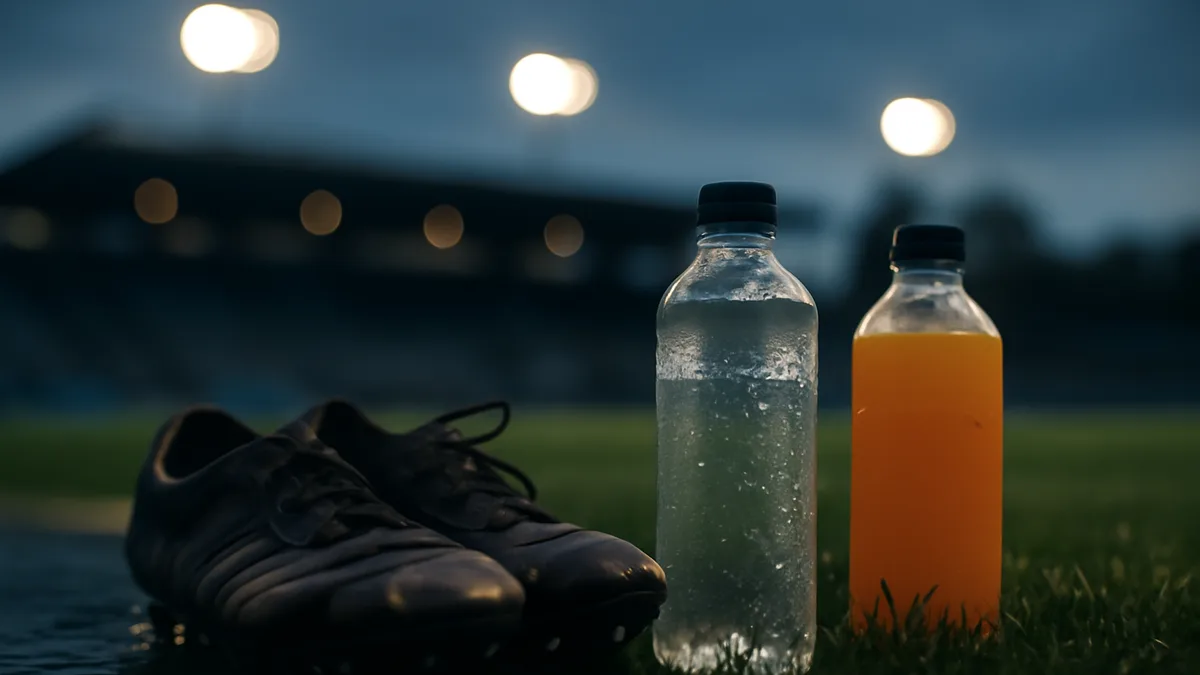
Deciding between plain water and an electrolyte drink comes down to three things: how much fluid is lost, how long the session lasts and how hot or humid the conditions are. For most short, low‑intensity activities water is sufficient; for long sessions, heavy sweat, or repeated efforts in heat an electrolyte product becomes important.
This guide gives a clear sequence of checks to run before spending money on sports drinks, powders or tablets. The list puts the highest‑impact factors first and each item can be read alone as a quick decision rule.
How to decide: the decision framework
Start by estimating sweat loss and session length, then check environment and whether the effort will repeat within hours. If any single check points to high fluid or salt loss, favour an electrolyte product. If every check stays low, buy good bottles, not branded drinks.
Priority checks to choose between water and electrolytes
Sweat rate
Measure sweat rate simply by weighing before and after a session, without clothes and accounting for fluid taken during exercise: the loss per hour is the key number. If sweat loss is moderate or low (a small weight change per hour) plain water usually replaces the fluid lost without disturbing balance; if sweat loss is high, an electrolyte source is necessary to replace sodium and other salts lost in sweat.
Session length
For sessions under about 60 minutes at moderate intensity, water will meet hydration needs and will not impair performance. Sessions lasting longer than 60–90 minutes, or prolonged efforts with short recovery windows, usually require carbohydrate and electrolyte intake to sustain performance and speed recovery.
Environmental heat and humidity
Hot or humid conditions raise sweat rate and salt loss even at a lower intensity. When the thermometer or wet‑bulb conditions increase perceived effort and sweating, choose an electrolyte drink rather than only water to avoid a progressive sodium deficit.
Frequency of sessions in a day
If there are multiple training blocks or matches within a single day, electrolyte replacement between sessions reduces the time needed to restore plasma volume and muscle function; single, well‑spaced sessions are less likely to need extra electrolytes unless other checks already flagged risk.
Intensity and situation
High‑intensity exercise that elevates heart rate and sweating quickly tends to produce larger sodium losses per hour than steady, low‑intensity work. When intensity is high, select a drink or tablet that supplies both sodium and carbohydrate; for low intensity, water or a very low‑electrolyte option will do.
Individual salt sensitivity and cramping history
Some people are clearly salt‑losers: they get very salty sweat stains or frequent cramps. For those individuals an electrolyte product should be the default for sessions over an hour or when heat is present. Those without these signs can rely on water unless other checks indicate otherwise.
Availability and logistics
Practical access influences what to buy. If refills of clean water are available at short notice, carrying water and a small electrolyte sachet to add only when needed is efficient. If only one drink will be taken across long sessions, choose a balanced electrolyte solution rather than plain water to cover worst‑case needs.
Comparison table: common options side by side
| Option | Sodium | Carbohydrate | Best use |
|---|---|---|---|
| Plain water | Minimal | None | Short activities, low sweat, short recovery windows |
| Isotonic sports drinks | Moderate | Moderate (energy during exercise) | Endurance sessions 60–180 minutes, heat, repeat efforts |
| Electrolyte tablets/powders | Variable (can be high) | Low or none | When sodium replacement is needed without extra calories |
Common mistakes to avoid
- Assuming one product fits all: different activities and people need different balances of fluid, sodium and carbohydrate, so match the product to the session rather than a brand name.
- Overdrinking plain water: drinking far more water than sweat losses without replacing sodium can dilute blood sodium; drink to planned needs based on sweat rate and session length.
- Ignoring flavour and tolerability: strong tastes or concentrated solutions can reduce intake; trial products in training before using them in competition.
- Buying on label hype: choose by the function required (sodium content, carbohydrate, convenience) not by marketing claims.
Beginner versus experienced considerations
Beginners usually err on the side of under‑planning. For them, a simple routine works: carry a bottle of water for short sessions and add an off‑the‑shelf isotonic drink or a sachet for longer outings in heat. Experienced athletes know their sweat rate, carry targeted electrolyte mixes and adjust carbohydrate to match energy needs, but they still recheck conditions and avoid making ad‑hoc changes on competition day.
Individual testing matters. A novice can discover personal needs by measuring pre‑ and post‑session weight and noting cramp or performance changes. Experienced users refine timing, concentration and the balance between tablets, powders and ready‑to‑drink products to match event demands.
Where people go wrong with products
Two common product errors are choosing a high‑calorie sports drink when only sodium is needed, and assuming that every electrolyte tablet replaces carbohydrate as well. Read composition labels for sodium and carbohydrate to match the product to the absence or presence of energy needs, and trial small doses in training to confirm stomach tolerance.
What to do next
Step 1: do one simple sweat test—pre/post bodyweight with no clothes and note loss per hour. Step 2: match the result to session length and condition using the checks above. Step 3: trial the chosen product once or twice in training; if it feels okay, use it in the next key session. For general public guidance, consult NHS guidance and for sports‑specific recommendations consult the American College of Sports Medicine.
Frequently asked questions
How do I measure my sweat rate quickly?
Weigh before and after a representative training session wearing minimal clothing and subtract any fluid consumed during exercise. Divide the net weight loss by session length to get litres per hour; use that value to decide on water versus electrolytes.
Can drinking only water cause problems?
Drinking large volumes of plain water during long or hot sessions can dilute blood sodium if salt losses are high. Replace sodium when sweat losses are large or when multiple sessions occur within a short time frame.
Which product replaces sodium without extra calories?
Electrolyte tablets or powders that list sodium separately are designed to restore salts without adding carbohydrate, making them suitable when energy intake is not required but sodium replacement is.
