


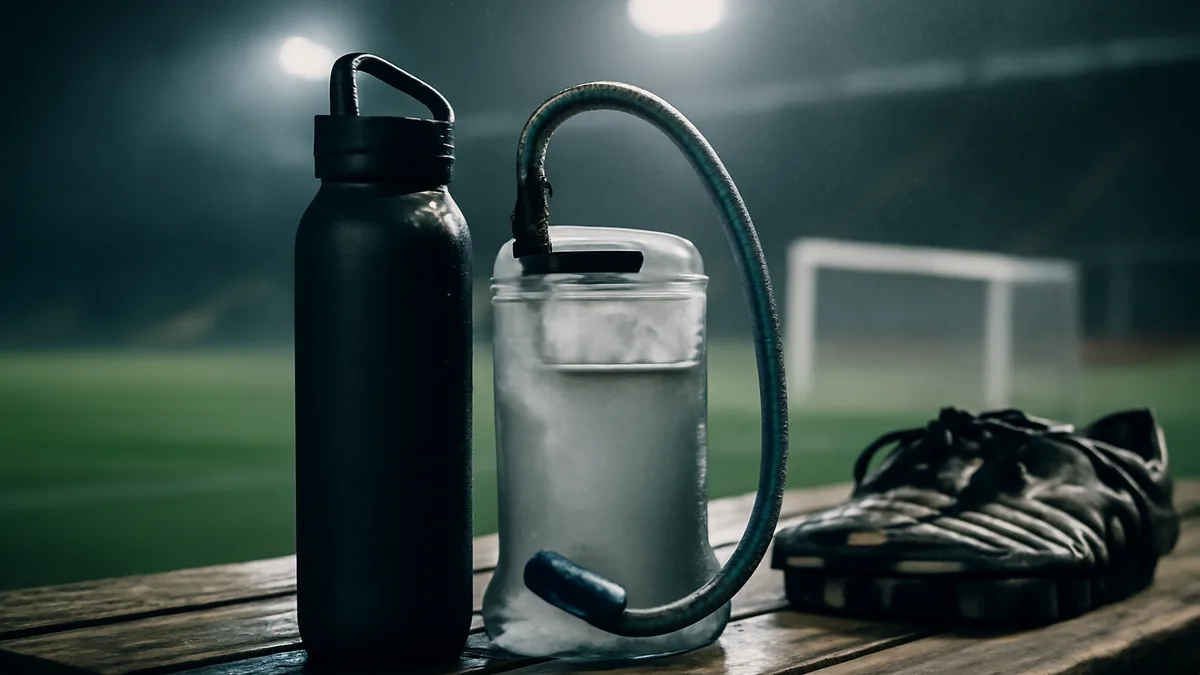
Choosing a sports bottle or a hydration pack turns on four clear things: how much fluid is needed between refills, how easy the item is to clean, what surfaces or activities it will be exposed to, and whether it will be shared among teammates. Those factors determine whether a simple bottle, an insulated bottle or a reservoir in a pack is the right tool.
This guide sets priorities in order, explains the trade-offs you will encounter, and ends with a short checklist of practical next steps. It names durable product characteristics and established brand lines where those characteristics are stable and useful for a buying decision.
Key decisions that determine the choice
The first decision is volume: the distance and intensity of the session dictate how much liquid must be carried. Riders, long runs and long-distance travel favour larger internal reservoirs; short stop-and-go sports favour bottles. The second decision is cleaning: complex reservoirs and bite valves trap moisture and need routines that are realistic for the user. The third is insulation and beverage temperature: if cold water over hours matters, an insulated bottle or insulated sleeve makes a real difference. Fourth is contact and hygiene: team settings and shared facilities raise the importance of easy-to-clean surfaces and personal-use designs.
Equipment ergonomics sit behind every decision. A bottle’s mouth diameter, cap style and the shape of its body affect how quickly it can be drunk from and how easy it is to refill. A pack’s reservoir shape and hose routing affect comfort and stability while moving. Consider the time available for tending to kit: if washing gear thoroughly after every use is unlikely, pick the option with fewer crevices and simpler parts.
Priority checklist: the sequence that matters
Below are the priorities in approximate order of importance for most buyers. They are ordered so that someone making a single choice under time pressure can stop once the most important items are satisfied. Each point names the characteristic and gives a direct, actionable rule.
Capacity and session length
Choose capacity to match planned use: a bottle is usually best for short sessions and repeated access to refills, while a reservoir is better when large uninterrupted volume is needed. Consider also reserve capacity: carrying slightly more than the expected need reduces risk if a refill point is missed. For team sports with frequent breaks, smaller bottles are often preferable because they are faster to grab, while endurance rides or long hikes favour reservoirs.
Cleaning and maintenance
Pick the design that fits the cleaning routine the buyer will actually follow. Wide-mouthed bottles and single-piece insulated bottles are the easiest to clean by hand; reservoirs and narrow-neck bottles need special brushes and more attention to bite valves and hoses. If daily washing is unlikely, select items with the fewest removable parts and with materials that tolerate boiling or dishwasher cycles where appropriate.
Material and taste control
Materials affect weight, taste transfer and durability. Stainless steel resists odours and is the long-standing standard for insulated bottles, while polyethylene and other plastics are lighter and cheaper but can retain flavours. If taste neutrality is a priority, prioritise stainless-steel interiors or plastics explicitly labelled as low-odour and BPA-free. Avoid soft plastics if beverages will be flavoured or left standing for long periods.
Insulation and temperature retention
Insulation matters when beverage temperature affects performance or comfort. Vacuum-insulated stainless bottles keep liquids cold for long stretches and prevent external condensation; they add weight and are bulkier. Uninsulated bottles are lighter and easier to compress into tight spaces. Choose insulation based on how long the drink must stay cold and whether the user carries chilled bottles at the start of the session.
Hygiene in group settings
Prioritise designs that avoid shared-mouth contact and are simple to label or colour-code when items circulate in a squad. Hard-sided bottles with screw caps and removable lids are the easiest to sterilise between uses. If multiple players will touch the same water source or cooler, err on the side of single-user bottles and clear marking to support team hygiene.
Access speed and spill control
Decide whether fast sips on the move or leak-free carriage matters more. Squeeze bottles and pop-top sports caps offer immediate access, while screw-top insulated bottles make spills unlikely but slower to use. Reservoirs provide hands-free sipping but need reliable bite valves; if a valve leaks the pack will wet the rider or kit, so choose valve designs with proven shut-off features for mobile use.
Fit, carry and stability
For running, a handheld bottle or a slim waist-bottle will reduce bounce; for cycling or hiking, a lumbar or backpack reservoir distributes weight and keeps the centre of gravity stable. Evaluate strap compression and pack shape: reservoirs should sit close to the back and packs should include stabilising straps if carried full. If carrying other kit, permit room in the pack or choose a bottle that fits bottle cages and side pockets.
Quick comparison table
| Option | Capacity | Cleaning ease | Best for |
|---|---|---|---|
| Hard insulated bottle | Medium | High | Cold liquids, daily commuting |
| Soft squeeze bottle | Low | Medium | Short training, quick sips |
| Hydration reservoir | High | Low | Endurance rides, long hikes |
Common mistakes buyers make
The most frequent errors are practical rather than technical. Buyers pick a reservoir for capacity without accepting the cleaning chore that comes with hoses and bite valves. Others choose heavily insulated bottles because they like the look, then discover the bottle won’t fit the bike cage or pack pocket. Selecting the lightest option without testing the lid can produce repeated spills or slow access in play.
Another persistent mistake is underestimating team use. When water is handled by multiple people the risk of contamination rises; the correct response is to make hygiene a feature of the purchase decision. Label items, choose designs that tolerate regular sterilisation and avoid any solution that requires shared mouth contact. Teams that put hygiene first reduce illness and keep sessions consistent.
Choosing differently if inexperienced or experienced
Beginners should prioritise simplicity: single-piece bottles with wide mouths that accept ice and brushes, and caps that are easy to operate. That reduces friction around cleaning and repair. Experienced users can trade simplicity for performance: a rider comfortable with hose maintenance may prefer the larger capacity and balanced weight of a reservoir; a commuter who manages a daily cleaning routine can enjoy the long-term benefits of an insulated stainless-steel bottle.
Experience also changes the acceptable maintenance schedule. New users should assume daily or every-use cleaning is necessary; experienced users may adopt a calendar of deep cleans and faster rinses because they understand the risks and have the right tools. Match the product to the realistic care the owner will provide, not to an idealised routine.
What to do next
Make a short practical test before committing. Try filling the bottle or reservoir, perform a mock refill, and practise the cleaning routine that will be typical for the season. If buying for a team, perform a simple labelling and storage trial to confirm the hygiene workflow. Finally, purchase cleaning brushes or replacement valves at the same time so maintenance is possible immediately.
For guidance on water safety and domestic handling, consult public health advice about drinking water. For product-specific durability and certification, prefer items with clear manufacturer guidance on cleaning and material safety.
Useful quick checklist
- Session length: Choose capacity to match the longest outing expected.
- Cleaning plan: Pick a design that fits the cleaning routine the user will follow.
- Hygiene control: For teams, select single-user bottles and easy-sterilise materials.
- Carry system: Match bottle shape or pack to pockets and cages used.
Frequently asked questions
Which is easier to clean: bottle or reservoir?
A hard-sided bottle with a wide mouth is easier to clean by hand and tolerate dishwasher cycles. Reservoirs and hoses need brushes, valve maintenance and periodic disassembly to avoid mould and odour buildup.
Should teams use shared water containers?
No — shared mouth contact increases the risk of cross-contamination; teams should prefer individually labelled bottles or designs that allow sterilisation between uses. Where shared coolers are used, pour-only dispensers reduce direct contact.
When is insulation worth the extra weight?
Insulation is worth it when maintaining beverage temperature over several hours matters, such as long commutes, multi-hour events or hot-weather outings. For short sessions or when weight is critical, non-insulated, lighter options are usually preferable.
