


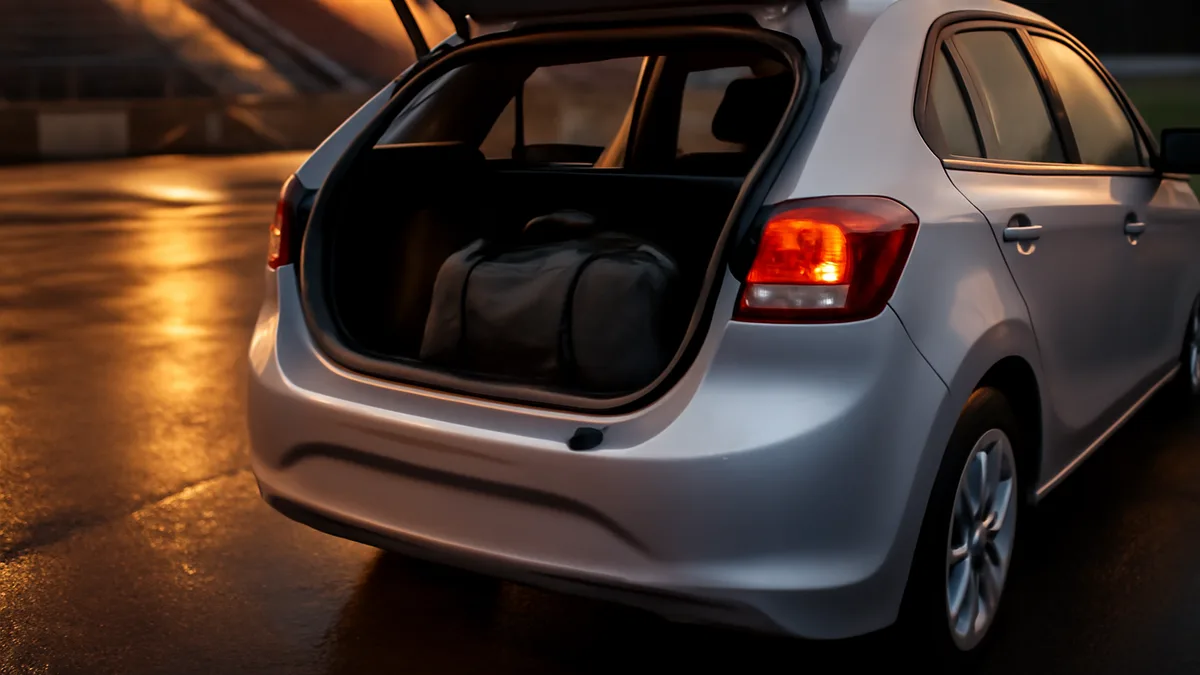
Renting a car for a match weekend is a short trip with a long checklist. Decisions that matter happen before booking: how the rental insurer treats damage, the fuel policy, whether the pick-up and drop rules force a long detour, and whether the stadium has practical parking for the car you plan to hire.
This guide gives a clear order of priorities and explains each point in a way that lets a buyer choose between specific offers without guessing at fees or cover levels. It assumes a single short stay, not a multiweek holiday.
How to decide before booking
First, fix the non-negotiables. If the trip must end at the stadium before kick-off, time windows and drop-off distance are as important as price. If the driver has limited experience or worries about a deductible, insurance cover and the firm’s damage-handling procedure become the priority. Match-day logistics — arrival time, tailgating plans, and how close the official lots are to gates — should shape the supplier choice as much as car size.
Second, treat the contract as the product. The headline rate is only a baseline: fuel rules, mileage allowances, one-way fees and optional add-ons usually decide the final bill. Ask for the full terms or a screenshot of the reservation page and read three items first: the insurer’s excess, the fuel policy and the return location. If any of those are unclear, request clarification by message and keep the response.
The priority checklist
Insurance excess
Know the excess amount. The excess is the most immediate cash exposure after an incident and determines whether to buy extra cover from the counter or arrange third-party excess waivers. Compare the excess to the cost of third-party insurers and to the driver’s comfort with handling a temporary card hold while a claim is resolved.
Fuel policy
Choose the fuel rule that matches the trip. Full-to-full is the simplest for short match weekends because it avoids pre-paid fuel premiums and refunds; pre-purchase plans can look convenient but often leave money unrecovered if the tank is not emptied. Check how the company charges for a missing litre and whether a receipt on refuelling is necessary to avoid disputes.
One-way fees and drop-off rules
Confirm whether drop-off is allowed at the return location. One-way rentals and off-airport returns commonly carry fixed fees or surcharges and may require pre-authorisation to avoid a no-show penalty. If the stadium or a nearby station is not a permitted return point, plan a route that ends at the contract’s accepted drop-off point to avoid surprise charges.
Pickup and opening hours
Match-day opening hours change risk. Late-night or early-morning kick-offs can clash with depot opening times and staffing. Find out whether after-hours collection or drop requires a keybox, whether there is a signed handover, and how after-hours damage reports are handled; an unresolved damage note can become a post-trip charge.
Vehicle size and parking
Pick a car that fits the lot and vehicle access. Stadium parking often has narrow lanes and tight spaces; SUVs and large estates may not fit well in official lots and can attract steeper charges off-site. Also consider tailgate storage and number of passengers; a larger car increases fuel and parking costs but may be necessary for gear and comfort.
Mileage limits and planned detours
Match the allowance to planned travel. Some rental agreements impose daily mileage caps or charge for extra miles at a high per-mile rate. Estimate the round trip including local detours for food, petrol and sightseeing; if the plan brushes against the allowance, a higher-mileage option may be cheaper than paying per-mile overage.
Extras: drivers and equipment
Decide which extras are essential. Adding a named additional driver, a child seat or a navigation device can be sensible but check whether third-party alternatives (own child seat, phone navigation) are allowed and whether the insurer’s cover changes when extras are added. Also check who can drive under the contract and whether adding a second driver changes the premium.
Comparing common fuel and damage options
The table below compares typical alternatives on the axes that most affect short match weekends: cost visibility, convenience for a same-day return, fuel fairness, and likelihood of disputes.
| Option | Cost visibility | Return convenience | Dispute risk |
|---|---|---|---|
| Full-to-full | High — pay for exact fuel bought | Requires refuel before drop | Low if receipts kept |
| Pre-paid fuel | Low — fixed charge up front | Easy — return any level | Medium — overpayment complaints common |
| Return empty | Low — often high penalty if not empty | Less convenient unless station nearby | High if mileage misjudged |
Where people go wrong
The most common mistakes are trusting a headline rate, ignoring the deposit hold and assuming the car’s fuel gauge equals what the company charges. A low headline price often hides a large temporary hold for the excess on the payment card; that hold can prevent other payments if it is not freed quickly. Another frequent error is failing to document pre-existing damage or to photograph the car at pick-up and drop-off, which makes disputes over small scratches more difficult to contest.
Stadium parking arrangements are an easy oversight. Some official lots require a separate permit or an advance booking; other nearby private lots sell the day at a flat rate and control entry with height barriers that block taller vehicles. Verify the lot’s rules for hire cars and whether the organiser issues a parking permit tied to a registration number.
Beginner versus experienced renters
Beginners should prioritise low dispute risk and clarity: full-to-full fuel policies, a low or waived excess via a trusted third-party insurer, and a depot with staffed opening hours. Experienced renters trade off convenience: they may accept a pre-paid fuel option to save time, add named drivers, and use credit-card cover where the card provides primary collision protection, but they must still confirm the firm accepts credit-card insurance as primary and whether the card issuer requires the rental to be booked in a particular way.
In both cases, reading the insurer’s damage-handling steps matters. Experienced renters often ask in advance how long damage investigations typically take and whether a local police report is needed; beginners should ask for written confirmation about how to report incidents and obtain an incident reference at the desk.
What to do next
Before clicking pay, take these actions: photograph the vehicle from four sides and the dashboard fuel reading at collection; screenshot the booking terms that show the excess, fuel policy and allowed drop-off locations; and confirm stadium parking rules by contacting the stadium or the organiser. If any of those items are unclear, choose another supplier or get written confirmation. These steps reduce the risk of a charge after the match and let the weekend stay about the football, not a claims process.
For reference on standard insurance terms and rental practices, see the linked resources below.
Frequently asked questions
What does rental insurance excess mean?
The excess is the sum the renter is liable for if the car is damaged or stolen; it is often held as a temporary block on the payment card. Reducing or waiving the excess usually requires buying extra cover from the rental firm or using a third‑party excess insurer.
Which fuel policy is best for a short match trip?
Full-to-full is usually clearest for short trips because it avoids pre-paid fuel premiums and refunds, and it limits disputes provided the renter keeps refuelling receipts. Pre-paid or fixed fuel options offer convenience but often result in paying for unused fuel.
Will a hire car be accepted in stadium parking?
It depends on the lot rules: some stadium lots require advance permits or block taller vehicles, and private lots may refuse hire cars unless clearly stated. Check the stadium’s parking rules and confirm whether a rental’s registration number can be pre-registered.
