




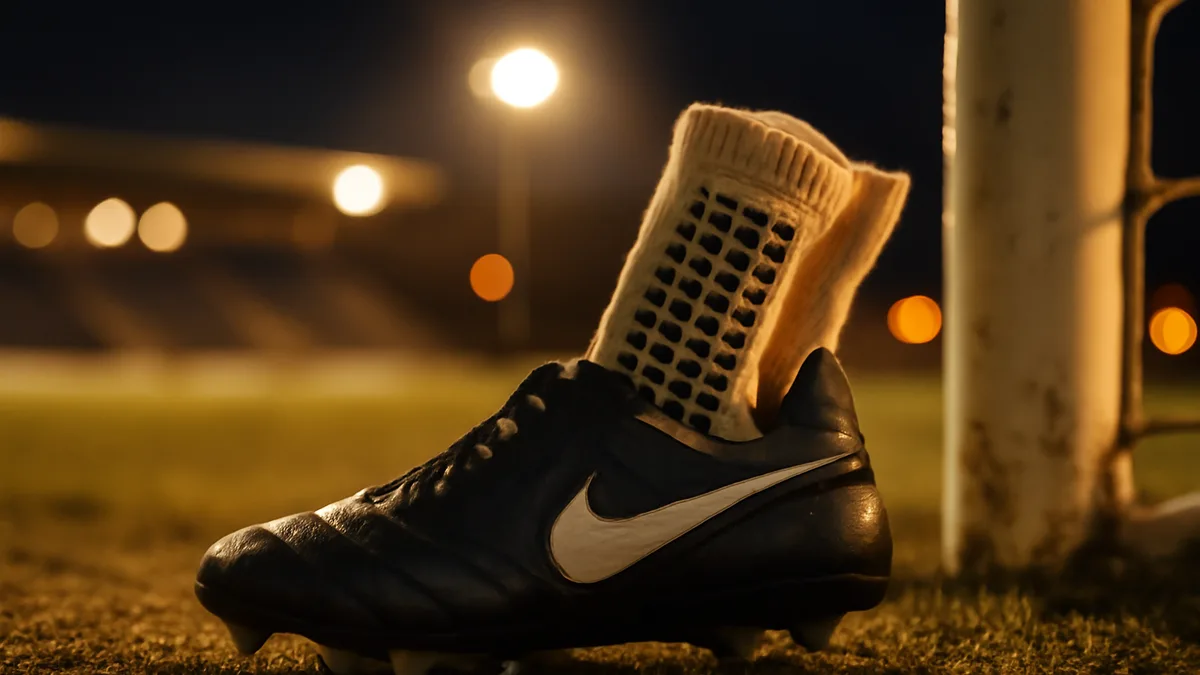
Grip socks add texture under the foot and sometimes on the arch and heel. They act inside footwear to reduce internal slip, change how the foot moves in the last and slightly alter pressure points against the insole.
The decision to buy grip socks turns on three things: whether internal slip is the problem, whether footwear fit is stable already, and what surface or activity is involved. The sections that follow let a buyer judge each of those quickly and then choose a suitable style.
How grip socks work and the mechanism
Grip socks work by converting gross sliding between the foot and sock into distributed shear across many small contact points. That texture — rubber dots, woven silicone strands or adhesion panels — increases friction at the skin–sock or sock–insole interface. The result is less relative movement of the skin inside the footwear, which reduces hotspots, blisters and energy loss from inefficient foot transfer.
There is a second mechanical effect: a grippy sock alters how the foot sits on the last of the shoe. By holding the foot more securely the sock can reduce midfoot collapse and improve perceived responsiveness through quicker weight transfer from heel to toe.
How to decide: the six priorities
This list runs in order of importance for buying a grip sock. Start at the top and stop when a single point answers the question.
Internal slip is the key issue
Buy grip socks if the real problem is the foot sliding inside the shoe or boot, not the outer sole slipping on the surface. If the foot moves independently of the footwear, a grippy layer fixes that directly and cheaply.
Fit and last stability come next
If the footwear fits loosely on the foot — especially in the heel — a grippy sock can only do so much. Socks reduce micro-slip but cannot replace volume control; a tight heel counter and correct last shape remain primary. Treat grip socks as a supplement to fit, not a substitute for it.
Sock thickness and in-shoe volume
Choose the sock thickness to match shoe volume. A heavy, padded grip sock increases internal pressure and can make a marginally tight fit uncomfortable. Thin, high-friction socks are preferable where the footwear is already snug.
Material choice and breathability
Prioritise breathable fibres for high-intensity sport. Most reliable grip systems pair a moisture-managing knit with textured silicone or rubber. A grippy surface on a non-breathable fabric will trap sweat and raise blister risk despite better friction.
Type of grip pattern
Different patterns serve different aims: full-sole dot patterns spread shear evenly, strips and channels allow some foot repositioning, and arch or heel panels lock the foot where needed. Pick the pattern that matches the location of the slip: sole dots for widespread movement, panels for isolated heel lift.
Surface and footwear combination
Grip socks are most effective with closed footwear where the interior surface of the shoe is smooth. They are less useful with open sandals, heavily textured insoles or extremely thin minimalist shoes where the foot already bonds to the material.
Where people go wrong
Buyers commonly assume grip socks solve all traction problems. They do not. A grippy sock cannot improve sole-to-surface traction, so it will not stop slips on wet concrete, ice, or worn studs. Another mistake is using thick grip socks to mask poor fit; that can produce new pressure points and change gait mechanics.
Colour rules are also misunderstood. In many organised sports and competitions, sock colour must match the kit or follow competition regulations. For training, colour choice is personal, but for matches check team and competition rules: a grip sock’s gripping elements rarely affect compliance, but visible logo placement and contrasting cuffs can.
Beginner versus experienced use
Beginners benefit most from grip socks where blisters and heel lift undermine confidence. A secure foot reduces wasted effort and keeps attention on technique. For experienced athletes the gains are finer: less foot fatigue over long sessions, a consistent feel when switching between footwear, and marginal improvements in quick weight transfers.
Experienced users should also be more selective about pattern and fabric. They will trial a few combinations and prefer thin, breathable constructions that preserve precise feedback from the footwear.
Comparing common alternatives
The following table compares typical options on the axes that matter: friction gain, bulk added, breathability and best use case.
| Option | Friction gain | Bulk added | Breathability |
|---|---|---|---|
| Full-sole dot pattern | High across the entire foot surface | Low to medium | Medium, depends on fabric knit |
| Heel/arch panels | Targeted high grip at problem points | Low | High if panels are minimal |
| Strip/channel grips | Moderate, allows some repositioning | Low | High |
| Padded grip socks | Moderate friction, more cushioning | High | Low to medium |
What to do next
Test one targeted purchase rather than replace an entire sock drawer. Start with a thin, breathable pair if footwear fit is already good. If the heel is the culprit, try a panel design first; if the whole foot slides, choose a full-sole pattern.
For matches check the competition’s sock-colour rules before buying contrasting-colour kits. Keep a small rotation and launder according to manufacturer guidance to preserve the grip elements. If problems persist after trying the right pattern and thickness, reassess footwear fit and insole options before assuming the socks are at fault.
Grip socks can deliver clear, localised benefits when chosen for the specific problem they solve. The right choice is the one that addresses internal slip, matches footwear volume and keeps the foot cool.
Frequently asked questions
Do grip socks stop outer slipping?
No. Grip socks reduce internal foot movement inside the shoe, not the shoe’s grip on the ground. For sole-to-surface traction use appropriate outsoles or studs.
Are grip socks legal in matches?
They usually are, but match regulations often control visible sock colour and branding. Always check competition kit rules for colour and logo placement before wearing a contrasting pair.
How often should grip socks be replaced?
Replace them when the textured grip elements wear smooth or fabric becomes excessively compacted. Regular washing and alternating pairs extends life, but worn grip will no longer prevent internal slip.


