




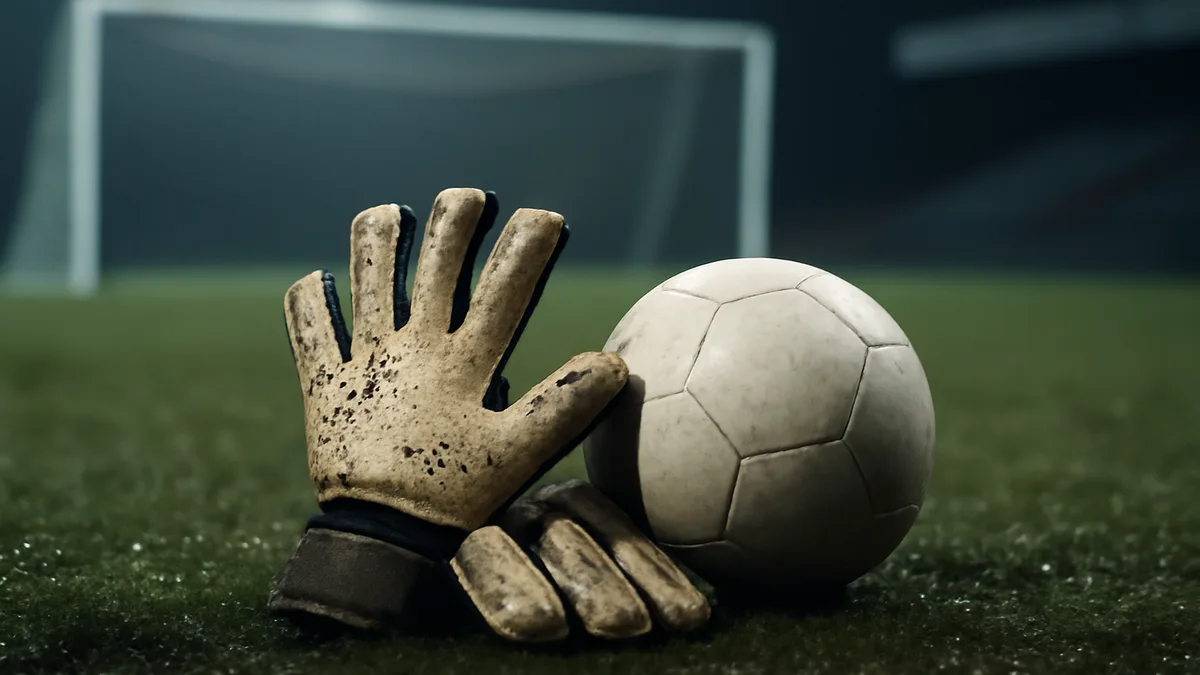
Choosing winter training gloves turns on three things: how they perform with a wet ball, how much feel they allow, and whether they are legal in competition. Prioritise the single factor that matters most for the session — grip for wet-weather ball work, warmth for low-temperature conditioning, or fingertip feel for close control drills.
This guide lays out a ranked sequence of decisions a buyer should make, explains the trade-offs that follow from each choice, and points to the rules that restrict what can be worn in games. Each point stands alone so that a training-only buyer, a keeper preparing for match conditions, or a parent buying for a youth player can skip to the item that matters to them.
Six priority checks
Palm compound for wet grip
Choose the palm compound first if sessions happen in rain or on wet artificial turf. Latex remains the benchmark for tack and ball-holding; different latex formulations trade tack for durability, and some modern blends are specifically marketed for wet use. If wet grip is the priority, select gloves that specify wet-weather or rain performance and avoid thin synthetic palms that lose tack fast when soaked.
Thickness and thermal lining
Select insulation based on activity type rather than ambient temperature alone. Thicker thermal lining keeps hands warm during low-movement conditioning but reduces ball contact sensitivity; thin fleece linings or removable liner gloves provide a better balance for active training. For interval-heavy sessions choose thinner or removable thermal options so grip and feel are not overly compromised by insulation.
Cut and fit for ball feel
Pick the cut that matches the desire for close ball feel or a secure catching pocket. An anatomical, negative or hybrid cut will offer closer contact and better fingertip sensitivity, while flat or roll cuts give a roomier catching surface and can feel warmer because fabric sits off the hand. Try gloves on with the kind of catch and throw motion the wearer will use; fit is the single biggest determinant of perceived ball feel.
Closure and wrist security
Decide on wrist closure based on how much stability is needed and how gloves will be layered. Long, elasticated wrist straps add support and keep cold air out, but bulkier closures can press cold into the hand if poorly insulated; shorter straps are lighter and work well when gloves fit snugly. For goalkeepers who favour wrist stability in training, choose a model with a supportive strap; for field players wearing thin gloves under a jacket, a low-profile closure is preferable.
Material durability versus tack
Balance tack against expected wear when choosing a palm material. Natural latex gives superior immediate tack but wears faster on abrasive surfaces and artificial turf; synthetic palms sacrifice some tack for longer life and easier maintenance. If training primarily on third-generation artificial turf, favour durable or hybrid palms and plan to rotate gloves so one pair is always reserved for match work.
Touchscreen and smartphone use
Pick gloves with dedicated touchscreen fingertips if frequent phone use matters during breaks. Touchscreen-capable fibres on the thumb and index let basic phone tasks proceed without removing gloves, but they rarely match the insulation or grip of glove-fabric on the rest of the hand. Expect a trade-off: added touchscreen panels can create thin, less-warm zones at the fingertips compared with fully insulated designs.
Competition rules and match compatibility
Confirm whether gloves used in training can be worn in matches by checking the competition’s equipment rules. Laws of the Game restrict items that could cause danger or give unfair advantage, and some leagues also regulate coloured or padded accessories. For players who train and play in the same gloves, choose styles that meet governing-body requirements and avoid obvious additions such as hard shells or exposed metal fittings.
How to decide: a simple rubric
Start by naming the session type: high-intensity drills, low-activity conditioning, or match-simulation. High-intensity work needs grip and breathability; choose a close-fit cut, a wet-weather palm compound and minimal thermal bulk. Low-activity sessions prioritise warmth; opt for thicker linings and long wrist closures while accepting reduced fingertip feel. If match compatibility is required, treat competition rules as a non-negotiable constraint and select gloves certified by the club or league equipment officer.
Where people go wrong
Many buyers make the same predictable mistakes. Below are the common errors, each with a quick corrective note to avoid wasting money.
- Buying for appearance: Choosing gloves because of colour or branding often ends with poor fit and unusable palm; prioritise fit and compound over looks.
- Ignoring surface: Selecting a soft latex palm for constant artificial-turf use results in rapid degradation; match palm durability to the predominant training surface.
- Over-insulating: Picking the warmest glove for every session reduces ball feel unnecessarily during active drills; use liners or layer when needed instead.
- Assuming touchscreen equals performance: Touchscreen panels are a convenience, not a performance feature; they should never be the deciding factor for a training glove.
Differences for beginners and for experienced players
Beginners benefit from gloves that prioritise forgiveness and durability: roomier cuts, durable palms and simple closure systems reduce frustration while learning catching technique. Experienced players should favour fit and sensitivity; a closer cut, finer palm formulation and thinner insulation give the best transfer of practice to match performance. For players progressing from beginner to experienced, move from durable synthetics to higher-tack palms and from roomy cuts to anatomical fits in stages.
Comparing common glove types
The table below compares broad glove categories on the axes buyers most commonly trade off.
| Category | Warmth | Wet grip | Durability | Touchscreen |
|---|---|---|---|---|
| Natural latex palm | Low to medium | High (especially specific wet formulations) | Low on abrasive surfaces | Usually no |
| Synthetic/hybrid palm | Medium | Medium | Higher on turf | Sometimes |
| Insulated training glove (lined) | High | Variable | Medium | Sometimes |
| Thin fingerless or liner glove | Low | Low | High | Often yes |
What to do next
Decide which of the three priorities—wet grip, warmth, fingertip feel—is primary and pick the palm compound and cut that support it. Try at least two sizes and perform a catching drill when possible; fit and feel cannot be judged from a photo. If buying for match play, check the club or competition kit manager against league rules before committing to a model for both training and games.
Note the governing guidance when choosing match-legal items by looking up the relevant equipment laws before using a new glove in competition.
Frequently asked questions
Are waterproof gloves good for wet training?
Waterproof membranes block moisture but can reduce fingertip feel and breathability. For active training, gloves designed with wet-grip latex palms and moisture-wicking liners usually perform better than fully waterproof models.
Can kids wear the same gloves as adults?
Children need proportionally smaller cuts and often benefit from roomier fits to aid catching technique. Choose youth-specific sizes and focus on durable palms for artificial-turf use rather than adult-focused thin, high-tack palms.
Do competition rules ban any gloves?
Most rules prohibit items that create danger or an unfair advantage, such as hard protruding fittings or non-standard padding. Always confirm a glove meets the local competition’s equipment checks before using it in a match.


