


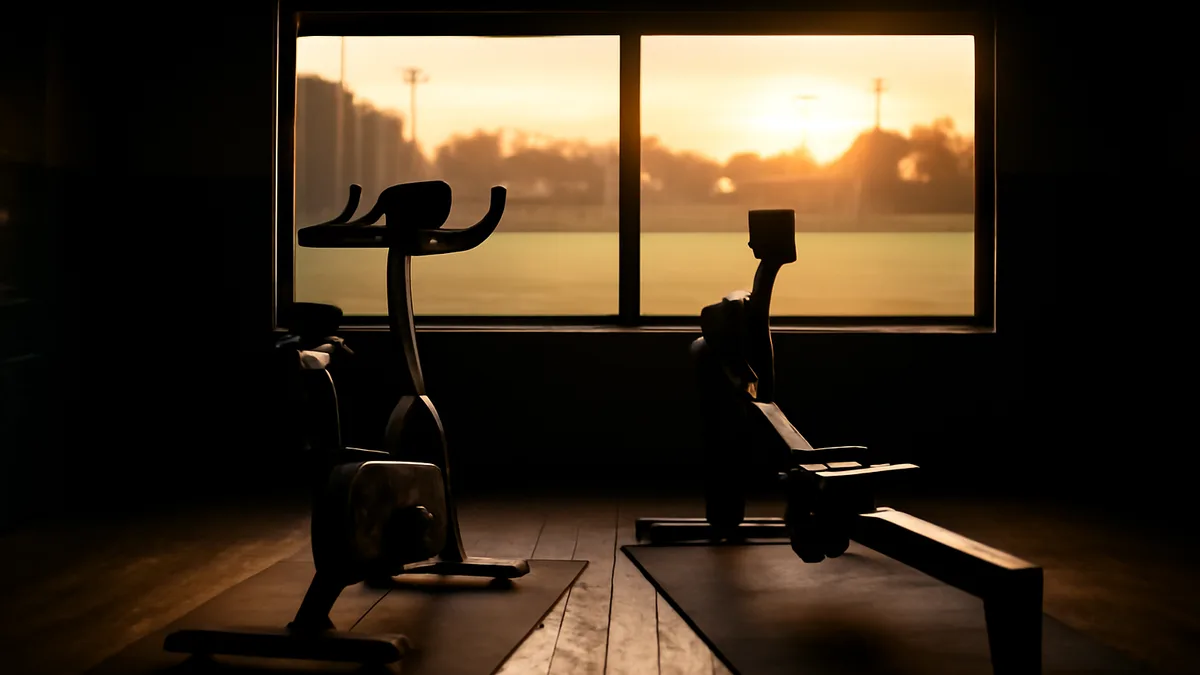
Off‑season conditioning should protect durability while improving the fitness qualities that matter in season. The main trade-offs are joint load, how well the motion and muscle use transfer to a field sport, and the real constraints of space and upkeep.
This guide puts those trade‑offs in priority order and gives practical checks to make the right purchase or rental decision. It names product families where that characteristic is stable, and it sets out simple tests to try before spending money.
Priority checklist: six factors that determine the right choice
Joint load and injury history
Choose the option with the lower peak joint forces if there is a history of knee, ankle or lower‑back problems. Rowing spreads force across hips, knees and a long lumbar drive but can aggravate low‑back or scullers’‑style issues; cycling loads the knee with repeated flexion and extension and is kinder to the spine when the set‑up is upright or hands‑up.
Transfer to your field sport
Select the mode that copies the most important movement patterns and energy systems of the sport. A bike emphasises steady lower‑limb power and sustained aerobic outputs useful for soccer, rugby and field hockey, while a rower trains coordinated hip hinge, posterior chain strength and high power per stroke that carries into sprint tackles and repeated high‑effort efforts.
Type of conditioning you need
Match the machine to the training goal. For long aerobic base and long intervals, a bike is the natural tool; for short, maximal repeats and mixed aerobic‑anaerobic work that also loads the upper body, a rower is better. Both can deliver interval work and steady state sessions, but they do so with different muscle emphases.
Space and practical footprint
Pick the one that fits the available room and how it will be used. Upright and indoor bikes typically have a small footprint and can be left set up; many rowing machines are longer when assembled and may require storage. Consider ceiling height for seated forward positions on some ergometers and the door widths for moving a machine in and out.
Maintenance and durability
Estimate ongoing work before buying. Magnetic and belt‑drive bikes have a reputation for low maintenance. Water and air rowers need occasional tension and frame checks and may need floor protection under moving parts. For heavy daily use choose a build known for commercial or studio durability rather than a light home model.
Cost of use and cross‑training value
Think beyond initial outlay to what the machine replaces: indoor cycling may substitute for long field runs with low impact, while rowing offers a near‑whole‑body session that can reduce the need for extra gym work. Match the machine to gaps in the off‑season plan rather than buying by brand alone.
How to decide for your sport
Decisions must start from the sport’s key demands. Sports requiring lateral change of direction, repeated accelerations and contact benefit from off‑season work that preserves or builds hip extension, eccentric control and short‑duration power. Rowing trains a long, coordinated hip hinge and high posterior‑chain engagement; it therefore helps athletes who need stronger hip drive and trunk control. Sports that demand long running or frequent sustained efforts — such as fullback, midfielder or wing positions — gain more directly from cycling because it allows long, sport‑relevant durations with low impact. When speed‑endurance is the priority, either machine can be programmed for intervals; the choice hinges on which muscle groups should do most of the work in season.
Also consider technical load. Cycling keeps the spine relatively stable and isolates the legs, so it is a safe way to add leg volume while limiting translational stresses through the torso. Rowing introduces a technical movement pattern; athletes must learn rhythm and sequencing to avoid magnifying low‑back strain. Supervised sessions or a coach‑led introduction will shorten the learning curve and protect the athlete from substitute injuries.
Common mistakes and misconceptions
Buyers often pick the machine they enjoy, which is sensible for adherence, but it can miss the point if enjoyment drives the wrong muscle emphasis. Another frequent error is underestimating the maintenance or space the machine demands, leading to neglected equipment and abandoned training plans. Finally, many teams expect one tool to solve all weaknesses; cross‑training still requires specific strength work and on‑field skill sessions to carry results into competition.
- Assuming equal transfer: Treating cycling and rowing as interchangeable overlooks the different joint and muscle demands each places on the body.
- Skipping posture checks: Poor set‑up on either machine increases injury risk and reduces training effect, so a professional set‑up matters.
- Buying size blind: Failing to measure the space and test an assembled machine often leads to storage problems or unused equipment.
Comparing bike and rower across key axes
The table below contrasts the two choices on four practical axes that matter to most buyers. Use it to align the machine with the single biggest constraint — injury history, space, maintenance or transfer to sport.
| Joint load | Transfer to field sport | Space and storage | Maintenance | |
|---|---|---|---|---|
| Bike | Lower spinal compression but repetitive knee flexion; gentle when set up correctly. | Strong for sustained aerobic capacity and leg power; less direct for posterior‑chain hinge movements. | Compact footprint; many models stay assembled in small rooms or garages. | Generally low if belt or magnetic drive; occasional tune and wear on drive parts. |
| Rower | Distributed force across hips, knees and back; technique errors can increase lumbar stress. | Good carryover for hip extension, trunk control and short power bursts; recruits upper body too. | Longer assembled length; some fold or stand upright for storage but need floor space when used. | Moderate: moving parts and tension systems need inspection; water/air units have specific checks. |
Next steps: testing, buying and scheduling
Do a short trial before committing. Test each machine with a session that matches the intended use: a long steady ride for endurance, or repeated 20–60 second maximal efforts for power work. Observe how the body feels afterwards and over 48 hours. If persistent knee pain follows the bike, or new low‑back soreness follows the rower, stop and reassess with a coach or physiotherapist.
If space or maintenance is the binding constraint, choose the machine that fits and plan the schedule around it: more off‑field volume on a bike if time at the club is limited, or limit rower sessions to quality efforts that complement on‑field drills. For teams or players unsure which to buy, rental, studio memberships or short‑term loans let athletes test adherence and transfer without full purchase risk.
Finally, pair either machine with a weekly strength plan that addresses sport‑specific weaknesses. The machine supplies cardiovascular and movement‑pattern stimulus; targeted strength work ensures the gains are useful in season.
Frequently asked questions
Which is gentler on joints, bike or rower?
A stationary bike is generally gentler on the lower back because it keeps the torso more stable, while a rower spreads load across hips, knees and the lumbar spine. Individuals with recurrent low‑back issues should be cautious with rowing technique and consider supervised introduction.
Will training on a rower improve sprint power?
Rowing develops posterior‑chain power and high short‑duration outputs that can translate to sprint efforts and contact situations in field sports. To convert that power to sprinting, include sprint drills and sport‑specific plyometrics alongside the rower work.
How much space is needed for each machine?
Indoor bikes typically have a smaller footprint and can remain assembled in tighter rooms, while rowers are longer when set up and sometimes require storage upright or removal after use. Always measure the intended area and allow clearance for full range of motion.
