




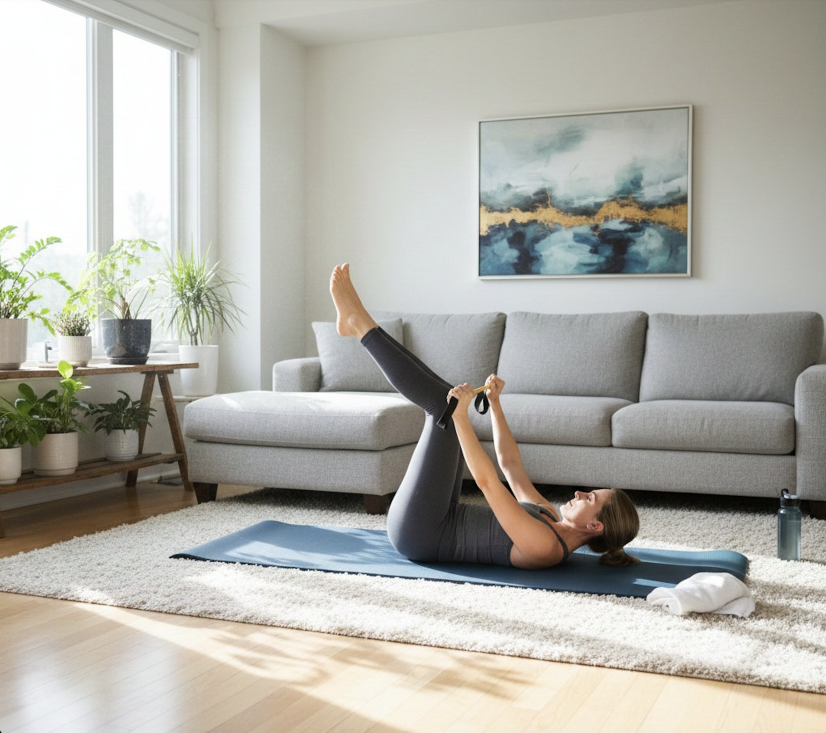
Something’s changing in the way women talk about fitness. You’ve probably noticed it too. The conversations are shifting from “how do I look in this” to “what can I actually do”. Fewer women are torturing themselves with juice cleanses before summer holidays, and more are asking whether they can carry their toddler upstairs without their lower back screaming at them.
For decades, the fitness industry has sold us a very specific dream: the “bikini body”. You know the one. It comes with a side of guilt, a dash of inadequacy, and usually appears in your social media feed around March, conveniently timed to make you panic about your upcoming beach holiday. But here’s what’s becoming increasingly clear: training your body to look a certain way in a two-piece swimsuit is a pretty limited goal. And honestly, it’s exhausting.
What if we approached fitness differently? What if, instead of obsessing over how our bodies appear in the mirror, we focused on what they can actually accomplish? This is where functional strength comes in, and it’s genuinely revolutionising how women think about exercise, health, and their own capabilities.
Understanding “Bikini Body” Culture
The “bikini body” concept didn’t appear out of nowhere. It’s been carefully constructed and marketed to women through magazines, advertising, and more recently, social media influencers flogging teatox products. The message has always been remarkably consistent: your body, as it currently exists, isn’t quite good enough. But don’t worry, because with this 6-week programme or that meal replacement shake, you can “fix” it in time for summer.
The psychological toll of this messaging is significant. Research has shown that exposure to idealised body images correlates with increased body dissatisfaction, anxiety, and disordered eating patterns in women. There’s a seasonal rhythm to it as well. Every spring, countless women experience a surge of anxiety about their bodies, leading to crash dieting, overexercise, and a generally miserable few months trying to achieve an arbitrary aesthetic standard.
Perhaps most damaging is how this approach reframes exercise itself. Movement becomes punishment for eating, or a transaction where you “earn” your meals. The gym transforms from a place of empowerment into a penance chamber. You’re not there because you want to be stronger or healthier, you’re there because you ate that slice of cake yesterday and now you need to atone for it.
This approach fails for several reasons. Firstly, the methods promoted for achieving a “bikini body” are rarely sustainable. Extreme calorie restriction, excessive cardio, and cutting out entire food groups might produce short-term results, but they’re impossible to maintain long-term. Secondly, aesthetic goals are often disconnected from actual health and fitness. You can look a certain way and still struggle to walk up a flight of stairs without getting winded. Appearance tells you very little about capability. Finally, tying your self-worth to how you look in swimwear is a recipe for perpetual disappointment, because bodies change. They age, they fluctuate, and they refuse to conform to narrow beauty standards no matter how many burpees you do.
What Is Functional Strength?
Functional strength training focuses on movements that support and enhance your daily activities. Unlike exercises designed purely to sculpt specific muscle groups for aesthetic purposes, functional training builds strength that actually translates into your real life.
The key principles revolve around training movement patterns rather than isolating individual muscles. We’re talking about multi-joint movements that engage several muscle groups simultaneously, building coordination between different parts of your body. Core stability is central to this approach, as your core is involved in virtually every movement you make. Balance and coordination are equally important, helping you move efficiently and reducing injury risk.
Think about the movements you actually perform regularly. You squat every time you sit down or pick something up from the floor. You hinge at the hips when you lift your shopping bags or a box. You push when you’re moving furniture or getting up from the ground. You pull when you’re opening a heavy door or starting the lawnmower. You rotate when you’re reaching for something behind you or playing tennis. Functional training strengthens these fundamental movement patterns.
When your training focuses on these practical movements, the benefits extend far beyond the gym. Carrying your groceries in from the car becomes easier. Playing with your children or grandchildren doesn’t leave you sore for three days. Gardening, DIY projects, hiking, whatever physical activities make up your life, they all become more manageable and enjoyable when you’ve built genuine functional strength.
The Benefits of Prioritising Functional Strength
The physical advantages of functional strength training are substantial and well-documented. Many women who switch to this approach report significant improvements in their posture, particularly if they spend long hours sitting at a desk. Lower back pain, which affects millions of women, often diminishes as core strength improves and movement patterns become more efficient.
Balance is another area where functional training excels. This might not seem particularly relevant when you’re young, but building and maintaining good balance is one of the best investments you can make in your long-term health. Falls are a leading cause of injury in older adults, and the balance and coordination you develop through functional training can genuinely be protective as you age.
Bone density is worth mentioning here as well. Weight-bearing exercises that load the bones stimulate them to maintain and even increase their density. For women, who face higher osteoporosis risk post-menopause, this is particularly valuable. You’re essentially building a stronger skeletal system that will serve you well for decades to come.
The mental and emotional shifts that come with functional training can be even more profound than the physical ones. When your goals revolve around performance rather than appearance, you experience success differently. You’re not standing on the scales every morning hoping for a particular number. Instead, you’re celebrating the fact that you can now do a proper press-up, or hold a plank for two minutes, or carry all the shopping bags in one trip because you’re genuinely stronger than you were last month.
This shift in focus tends to reduce appearance-related anxiety significantly. You’re spending less time scrutinising your body in the mirror and more time appreciating what it can do. The sense of accomplishment that comes from smashing a performance goal, whether that’s running faster, lifting heavier, or mastering a challenging exercise, builds genuine confidence. You start to see your body as capable and powerful rather than as a project that needs fixing.
There’s also something to be said for the long-term sustainability of this approach. Functional fitness workouts tend to be more engaging and varied than repetitive aesthetic-focused routines. You’re learning new skills, progressively challenging yourself, and seeing tangible improvements in your capabilities. This keeps motivation high naturally, without needing to rely on willpower or guilt to drag yourself to the gym.
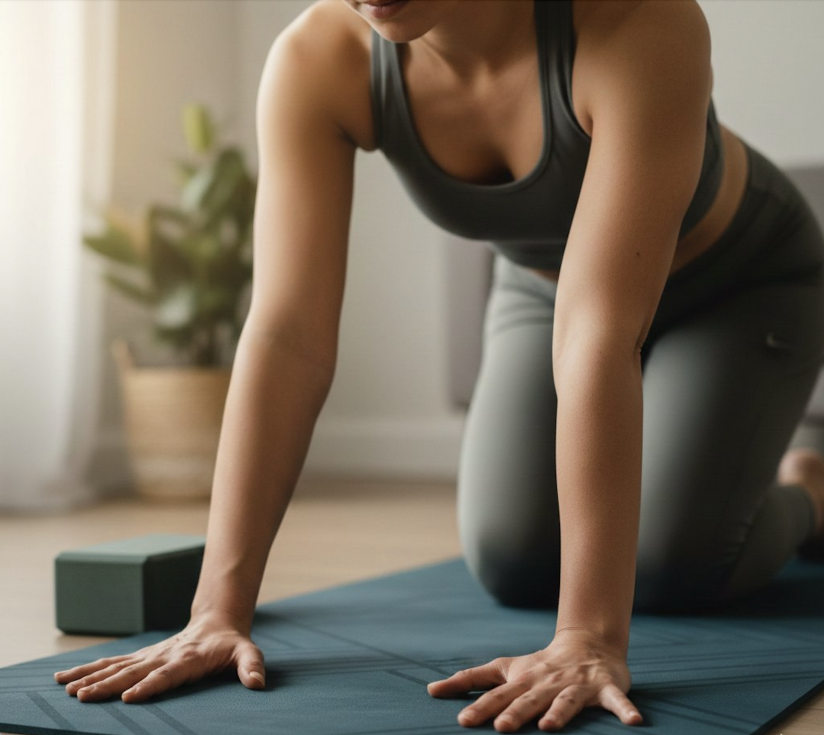

How Pilates Supports Functional Strength
Pilates aligns beautifully with functional strength principles, which is why it’s become increasingly popular among women seeking sustainable, practical fitness approaches. The method emphasises controlled, intentional movement, core stability, and the mind-body connection, all of which are fundamental to building useable strength.
At its core (pun intended), Pilates is about developing a strong, stable centre from which all other movements originate. Every exercise engages the deep abdominal muscles, pelvic floor, and lower back, creating a solid foundation that supports everything else you do. This core strength translates directly into improved posture, reduced back pain, and better movement efficiency in daily activities.
Lifted Pilates takes a particularly thoughtful approach to building functional capacity through their classes. Their philosophy centers on strength and movement quality rather than burning calories or achieving a particular body shape. The reformer, which is central to their practice, provides variable resistance that challenges your muscles through a full range of motion, building strength that’s both powerful and flexible.
What makes their approach especially relevant for women moving away from “bikini body” culture is the emphasis on individual progression and capability. Classes are designed to be scalable, meaning whether you’re completely new to exercise or have been training for years, you can work at a level that challenges you appropriately. There’s no pressure to keep up with anyone else or to look a certain way whilst doing the exercises. The focus is entirely on your own movement quality and gradual improvement.
The reformer itself is particularly effective for developing practical strength. The unstable surface and spring resistance require constant core engagement and coordination. You’re not mindlessly performing repetitions, you’re consciously controlling your movement through space, which builds both strength and body awareness. This translates remarkably well to real-world movements, where you rarely have the luxury of a stable, predictable environment.
Another reason Pilates appeals to women seeking sustainable fitness is that it’s low-impact but genuinely challenging. You can build significant strength without the joint stress that comes with high-impact activities like running or plyometrics. For women dealing with injuries, joint issues, or who simply want an exercise approach they can maintain for decades, this is valuable.
The community aspect shouldn’t be overlooked either. Lifted Pilates, like many quality Pilates studios, fosters a supportive environment where women encourage each other’s progress rather than competing over appearance. This social element can be transformative, particularly if you’ve previously experienced gyms as judgemental or intimidating spaces.
Making the Mindset Shift
Changing how you think about fitness after years of “bikini body” messaging isn’t always straightforward, but it is possible. The first practical step is reframing your goals around performance rather than appearance. Instead of “I want to lose X kilograms” or “I want my stomach to look flat”, try setting goals like “I want to do 10 proper press-ups” or “I want to hike to the summit without stopping”. These goals are concrete, achievable, and entirely within your control.
Celebrating what your body can do, rather than how it looks, requires conscious practice. When you notice yourself falling into negative self-talk about your appearance, try redirecting your thoughts to your capabilities. Can you walk for hours without fatigue? Can you carry heavy things? Did you sleep well because your body was properly tired from good exercise? These are all worth acknowledging and appreciating.
Your social media environment matters more than you might realise. If your feed is full of “fitspiration” accounts promoting unrealistic body standards or before-and-after weight loss photos, it’s constantly reinforcing appearance-focused thinking. Consider unfollowing accounts that make you feel inadequate, and following people who talk about strength, capability, and the joy of movement instead. The algorithms will eventually catch up and start showing you more of what you engage with.
When you’re starting to train for function rather than aesthetics, working with qualified instructors makes a significant difference. They can teach you proper form and technique, which is essential for both effectiveness and injury prevention. Many women who’ve previously done exercise primarily for weight loss have never actually learned how to move well. Taking the time to develop good movement patterns pays dividends in the long run.
Patience is required here as well. Building genuine strength takes time. You won’t transform your capabilities in six weeks, no matter what the fitness industry promises. But you will notice steady improvement if you’re consistent. Maybe you can’t do a full press-up yet, but you can do one more incline press-up than you could last week. That’s progress, and it counts.
It’s worth acknowledging that lingering concerns about appearance don’t disappear overnight. You might still occasionally worry about how you look, and that’s completely normal. The goal isn’t to never care about aesthetics, it’s to stop letting aesthetic concerns dominate your relationship with exercise and food. Interestingly, many women find that when they train for function, their appearance changes anyway. Functional strength training tends to improve posture, build muscle tone, and increase confidence, all of which affect how you carry yourself and how you feel in your body.
Understanding that health and aesthetics aren’t mutually exclusive is important. You can care about both. The difference is between having aesthetic goals as part of a broader health picture versus obsessing over appearance to the detriment of your actual wellbeing. One is balanced, the other is exhausting and often counterproductive.

Where Do We Go From Here?
The shift from appearance-focused fitness to capability-focused training represents more than a trend. It’s a fundamental reconsideration of what health and fitness mean for women. For too long, we’ve been told that the primary value of exercise is making our bodies smaller or shapelier, that movement is a tool for achieving a particular look. This narrow view has done a disservice to countless women, creating disordered relationships with food and exercise, fostering body image issues, and generally making fitness feel like a chore rather than something genuinely valuable.
Training for functional strength offers a different path. When you focus on what your body can do, exercise becomes inherently rewarding. You’re not suffering through workouts to “earn” your meals or compensate for perceived physical flaws. You’re building genuine capabilities that make your life better in tangible ways. You’re stronger, more balanced, less prone to injury, and more confident in your physical self.
This doesn’t mean you have to completely abandon any aesthetic preferences or stop caring how you look. What it means is freeing yourself from the tyranny of “bikini body” culture, where your worth is perpetually tied to achieving and maintaining an often unrealistic physical ideal. You deserve better than that. Your body deserves to be celebrated for its strength, resilience, and capability, not constantly criticised for failing to meet arbitrary beauty standards.
If you’re curious about exploring functional fitness, there are numerous options available. Pilates studios like Lifted Pilates offer an excellent starting point, particularly if you’re new to this approach or coming back to exercise after a break. Strength training, whether with weights or bodyweight, is another valuable avenue. The specific modality matters less than finding something that challenges you, engages your interest, and fits sustainably into your life.
The most important thing is making that mental shift from “how do I look” to “what can I do”. Once you’ve experienced the satisfaction of hitting a new personal record, mastering a challenging movement, or simply moving through your day with greater ease and confidence, it becomes difficult to return to obsessing over your appearance in swimwear. You’ve discovered something more valuable: the joy of inhabiting a strong, capable body that serves you well, regardless of what it looks like whilst doing so.
Your body is meant to be used, to move, to grow stronger, to carry you through your life with resilience and power. That’s worth training for.


