




Buying stadium tour tickets turns a visit into a structured experience. The choice hinges on two things: how much behind-the-scenes access is needed, and whether the visit must avoid matchday restrictions.
This guide lists the route elements most tours include, explains the common booking windows and closures, and shows how to pick between public, private and premium tour types.
How to decide what kind of tour to buy
Decide first whether the priority is access or atmosphere. If the goal is photos in the players’ tunnel and seats in the manager’s dugout, pick a tour that advertises dressing-room and pitch-side access. If the goal is memorabilia, choose tours that include the museum or club archive. Consider time of year: stadiums run fewer tours around high-profile fixtures and during stadium maintenance periods, so flexibility with dates matters more than speed of booking.
Common mistakes buyers make
People often assume every stadium follows the same route or that tours always reach every backstage area. Tours differ widely: some stop at the players’ entrance while others restrict visitors to the stands, corridors and a museum. Buyers also underestimate lead time; popular clubs sell out days or weeks ahead, particularly for weekend slots. Finally, tourists sometimes forget photo rules and security checks; large bags are commonly restricted.
How stadium tours usually work
Most stadium tour tickets are timed-entry for a guided group or self-guided audio. Guided tours move visitors through a fixed route and include verbal commentary; self-guides let visitors linger longer but may omit areas that require staff supervision. Groups are often limited for safety and to protect team operations.
Entrance and security
All tours begin with a security and bag check before entry. Expect to pass through the same screening used on matchdays; some stadiums also require ID for certain premium areas. Security controls determine what can be carried into dressing rooms and pitch-side zones.
Public concourses and stands
Visit the public concourses and one or more spectator stands on every standard tour. These areas give a sense of sightlines and capacity without entering restricted spaces. The tour will usually stop at vantage points chosen to illustrate acoustics and fan zones.
Press areas and mixed zones
Press rooms and mixed zones are common inclusions and allow visitors to see interview backdrops and the media layout. Access here explains how post-match workflows operate; tours rarely permit long stays where media work is in progress.
Players’ tunnel and technical zones
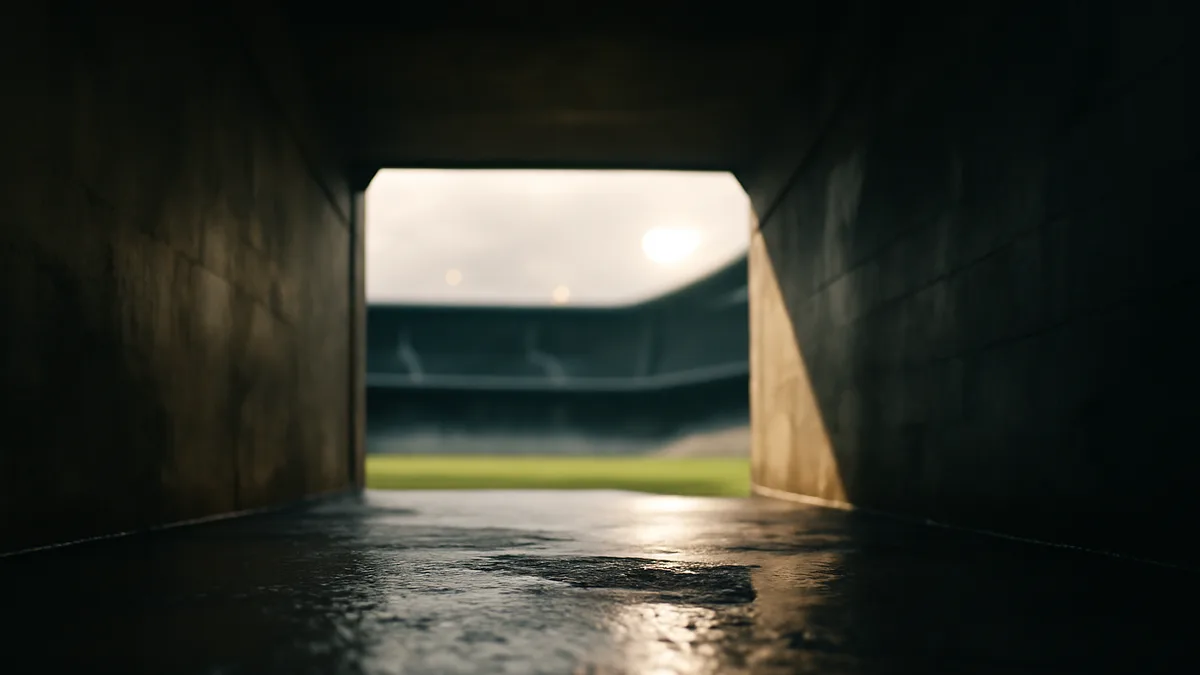
Many tours include the players’ tunnel and the route to the pitch, often one of the most photographed stops. Full pitch access is less common and often conditional on maintenance status; where pitch access is provided it is usually supervised and limited to short stays.
Dressing rooms and recovery areas
Some stadium tours offer dressing-room access, but this is the single most variable stop and may be replaced by a reconstructed dressing-room exhibit. Dressing-room access is typically limited for privacy and operational reasons, and may be excluded on matchdays and before first-team training sessions.
Museum access
Many clubs bundle the museum or trophy gallery with the tour ticket. Museum access usually allows unrestricted time inside while museum opening hours apply; ticket packages that include the museum are the most reliable way to see club artefacts without needing a second booking.
Special-access options
Private or premium tour tickets provide extra time, fewer people, and often backstage-only areas such as hospitality suites or manager’s boxes. These options suit researchers, photographers or groups wanting tailored commentary, but they are the most likely to need advance notice and extra approval from stadium operations.
What you get: a quick checklist
- Confirmation details: A timed entry slot and meeting point are always supplied with the ticket.
- Identification rules: ID may be required for premium areas and for under-18 policies.
- Photography limits: Photos are normally allowed but may be restricted in some indoor or private spaces.
- Bag rules: Large bags and tripods are frequently banned; travel light where possible.
Comparing tour types
The table below shows the typical differences between public guided tours, private tours, and premium hospitality tours on four practical axes. These are broad patterns rather than guarantees; always check the specific venue’s description before purchase.
| Typical duration | Areas commonly included | Best for | |
|---|---|---|---|
| Public guided tour | Short to medium | Stands, concourses, press areas, sometimes tunnel | First-time visitors and groups on a budget |
| Private tour | Medium to long | All standard stops plus extended backstage time | Researchers, photographers, small private groups |
| Premium/hospitality tour | Variable | Premium seating, hospitality suites, exclusive areas | Corporate guests and collectors needing VIP access |
What differs for beginners and experienced visitors
Beginners should choose guided public tours that include a museum or introductory film; these give context and require less prior knowledge. Experienced visitors often pick private or premium tours to access technical areas and ask detailed questions. Seasoned visitors also time visits to avoid matchdays and maintenance closures and may book the first tour of the day to reduce chances of restricted access.
Booking lead time and matchday closures
Book as soon as dates are fixed for popular clubs and stadiums; weekend mid-morning slots are in highest demand. Matchday closures mean many tours do not run on the day of a first-team fixture or run reduced routes; some clubs publish a notice days in advance. If a specific backstage area is essential to the visit, contact the venue or choose a ticket type that guarantees that access rather than relying on the general public route.
What to do next
Decide whether access or flexibility matters more. Check the detailed route description on the vendor page for the single stadium selected, confirm the date is not a matchday, and book a timed slot with enough lead time for the preferred day. Keep the confirmation and any ID required to hand for entry.
For a starting point to find organised stadium experiences, see the official stadium tours pages run by many major venues.
Frequently asked questions
How far ahead should I buy stadium tour tickets?
Buy as early as possible for popular clubs and weekend slots; some tours sell out days or weeks ahead. Booking early also increases the chance of getting a slot that avoids matchday closures or maintenance windows.
Do stadium tour tickets include museum entry?
Many ticket packages bundle museum access with the tour, but some charge separately or restrict museum hours. Check the tour description to confirm whether the museum is included and whether it can be visited independently of the guided route.
Will tours run on matchdays or after training?
Tours are commonly reduced or cancelled on matchdays and sometimes limited around first-team training. If full backstage access is essential, avoid known matchdays and confirm with the venue before booking.


