




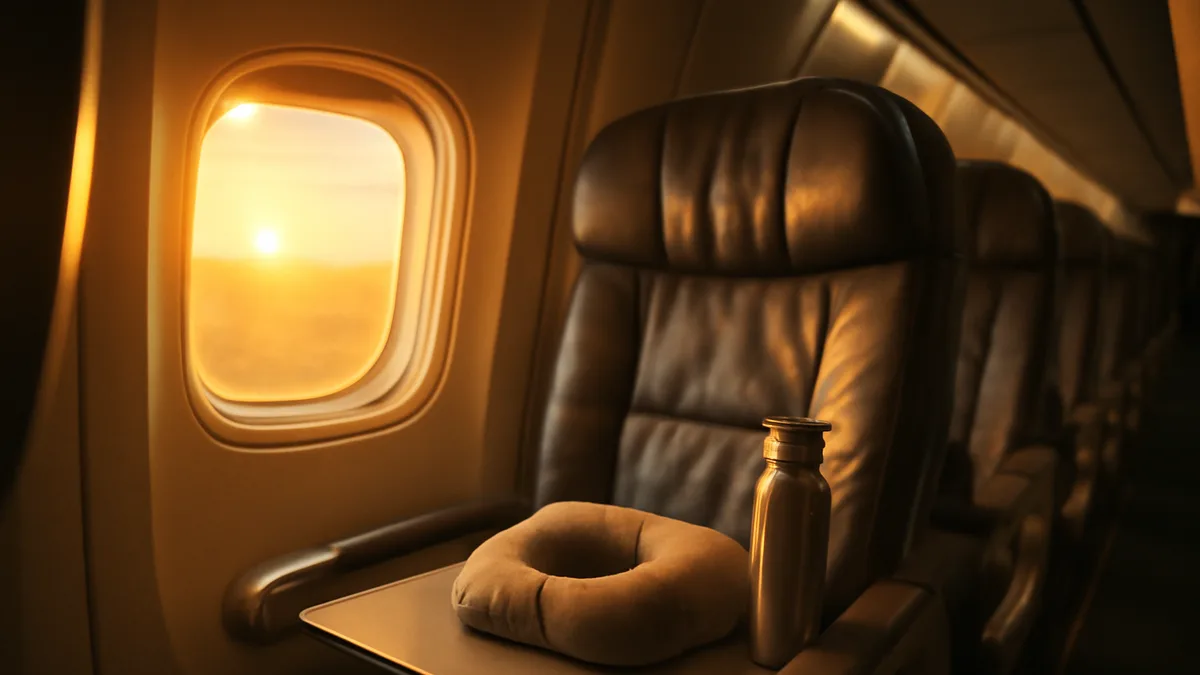
Choosing a long‑haul seat is about three things: how well the body can rest, how easy it is to move, and how much space is available. Tickets and upgrades are one way to change those variables, but the right seat selection strategy gets most travellers closer to their goal without spending more.
This guide lists the priorities in the order they matter and explains how to trade one advantage against another. It also covers common mistakes, what to do if the flight changes, and simple accessories that reliably improve comfort.
How to decide before booking
Start by naming the flight’s primary purpose: sleep, work, mobility, or avoiding motion discomfort. If sleep is primary, place privacy and uninterrupted reclining above on‑demand toilet access. If mobility matters — for work breaks, stretching, or medical reasons — prioritise aisle seats and rows with unobstructed access.
Next, check the aircraft type and seat map when booking; the same label (economy, premium) can mean very different space depending on the cabin layout. The term aircraft cabin appears in airline seat maps and technical pages for a reason: the overall layout constrains what each seat can offer.
Priority sequence: what to check, in order
Legroom and seat pitch
Legroom is the single biggest determinant of comfort on a long flight. Look for seat pitch and rows known for extra space — exit rows and some bulkhead rows typically offer more room, but bulkhead seats often lack under‑seat storage and have fixed armrests that can reduce usable width.
Ability to sleep (window vs aisle)
Window seats favour uninterrupted sleep because there is a wall to lean on and no one stepping over the occupant. The drawback is restricted aisle access, which makes late‑night bathroom visits or stretching more disruptive to a sleeping companion and to the passenger getting up.
Ease of movement (aisle access)
Aisle seats are best when frequent movement, stretching or an easy exit on arrival is required. They allow getting up without disturbing neighbours and make it simpler to reposition during turbulence, but they expose the sitter to galley traffic and trolley passes.
Proximity to lavatories and galleys
Being close to lavatories or galleys saves time but brings noise, light and foot traffic. For restful sleep avoid the busiest lavatory banks; for fast disembarkation pick seats toward forward exits but not immediately adjacent to service stations.
Recline and headrest design
Recline matters for rest and for avoiding the knees‑into‑seat problem during takeoff and sleep. Seats with adjustable headrests and modest recline can offer better neck support; seats with deep recline in economy can still be cramped if the row spacing is small.
Bulkhead and exit row trade‑offs
Bulkhead seats give more forward space and a fixed wall to lean on, while exit rows usually provide superior legroom. Both can restrict under‑seat storage and sometimes have immovable armrests or tables; passengers who need quick access to personal items should plan accordingly.
Window alignment and view
Window position determines natural light and a surface to lean on, but some windows are offset from the seat and do not offer full support for resting. If looking outside or using the window as a shoulder rest matters, check seat map photos or reports that show window alignment with the seat.
Noise levels and engine placement
Noise varies by seat relative to engines and galleys; mid‑fuselage seats over the wing are typically quieter than rear seats close to engines. For those sensitive to noise, seats forward of wing leading edges and away from service areas are preferable.
Boarding and disembarkation priority
Seats near the front of the assigned cabin shorten travel time through the jet bridge and airport on arrival. If a quick exit on arrival is the main goal, select the foremost allowed row in the purchased cabin instead of a distant bulkhead.
Quick checklist before finalising a seat
- Purpose stated: Confirm whether sleep, movement or fast exit is the priority for the trip.
- Map checked: Open the aircraft seat map and identify exit rows, bulkheads and galley/lavatory clusters.
- Underseat plan: Decide where personal items will live during takeoff and landing.
- Movement needs: If circulation or medical needs exist, prioritise aisle access or a seat with an unobstructed path.
- Noise and light: Choose away from galleys and lavs for rest, or near them for convenience.
Comparing the main seat types
| Seat type | Legroom | Privacy and sleep | Ease of movement |
|---|---|---|---|
| Window | Variable | High | Low |
| Aisle | Variable | Low | High |
| Exit row | High | Moderate | High |
| Bulkhead | Moderate | Moderate | Moderate |
| Middle seat | Low | Low | Low |
Where people go wrong
The most common error is choosing a seat by instinct or habit instead of by objective need. Weekend travellers often pick a window for the view, then find themselves climbing over a sleeping stranger to use the bathroom. Another frequent mistake is assuming bulkhead means more comfort without checking whether armrests or tray tables reduce practical width.
People also forget to factor in the flight’s timing and sleep cycle. A late‑night flight that crosses several time zones calls for a seat that supports uninterrupted sleep; an early‑morning arrival may make a forward aisle seat more valuable for rushing a connecting train or meeting.
Beginner versus experienced traveller choices
Beginners should prioritise simple rules: select a forward aisle for short connections or a window for guaranteed sleep. Experienced travellers trade across multiple axes — they pick a slightly rearward exit row to combine legroom with a better chance of reclining without being trapped by the galley.
Experienced travellers also plan contingencies: pick a second seat that can be swapped at the gate, carry a thin pillow to add neck support, and keep an eye on seat‑map changes after aircraft swaps. These tactics are low cost and often beat last‑minute paid upgrades.
What to do next
Decide the trip’s primary objective and then pick a seat from the priority list above that fits that objective. At booking, inspect the aircraft seat map and mark two acceptable seats in different zones of the cabin; if the first choice is taken at check‑in, a second option is usually available.
On travel day bring a narrow travel pillow, compression socks if circulation is a concern, and a small carry‑on that will fit under the seat. If there are medical circulation risks, read guidance on deep vein thrombosis before flying and consult a clinician for personalised advice.
Frequently asked questions
Which seat is best for sleeping on a long flight?
A window seat is usually best for sleeping because it provides a wall to lean on and no one stepping over the occupant. Choose a seat away from galleys and lavatories to reduce light and noise interruptions.
Are exit rows always better for legroom?
Exit rows commonly offer more legroom but sometimes have immovable armrests or restrictions on under‑seat storage. Passengers must be able and willing to follow crew instructions in these rows, so check airline rules before selecting one.
Do compression socks help on long flights?
Graduated compression socks can reduce swelling and support circulation for passengers prone to leg cramps or swelling. They are a simple, low‑risk measure but do not replace medical advice for people with circulation disorders.


