




Starting a sport as an adult means two linked choices: what to buy now, and what to defer. Spend on the few items that directly affect safety, comfort and whether the activity is possible at all; postpone brand-name extras and high-end tech until the basics fit and last.
This guide lists priorities in the order that matters for most field, court and gym sports. Each item stands alone: a reader who clicks a single heading should get a complete action they can follow immediately.
Quick decision framework
Decide by three simple tests: does the purchase change whether the activity can take place, does it materially reduce injury risk, and will it be used more than once a week? If the answer is yes to two or more, it belongs in the first wave of spending. If not, it can wait until the sport is a habit or a coach recommends a specific upgrade.
Think in terms of essentials (must-have), useful (worth buying early) and optional (wait). Essentials are usually a suitable pair of shoes, the minimum protective equipment and access to the place or club where the sport happens.
Priority checklist
Footwear for the surface
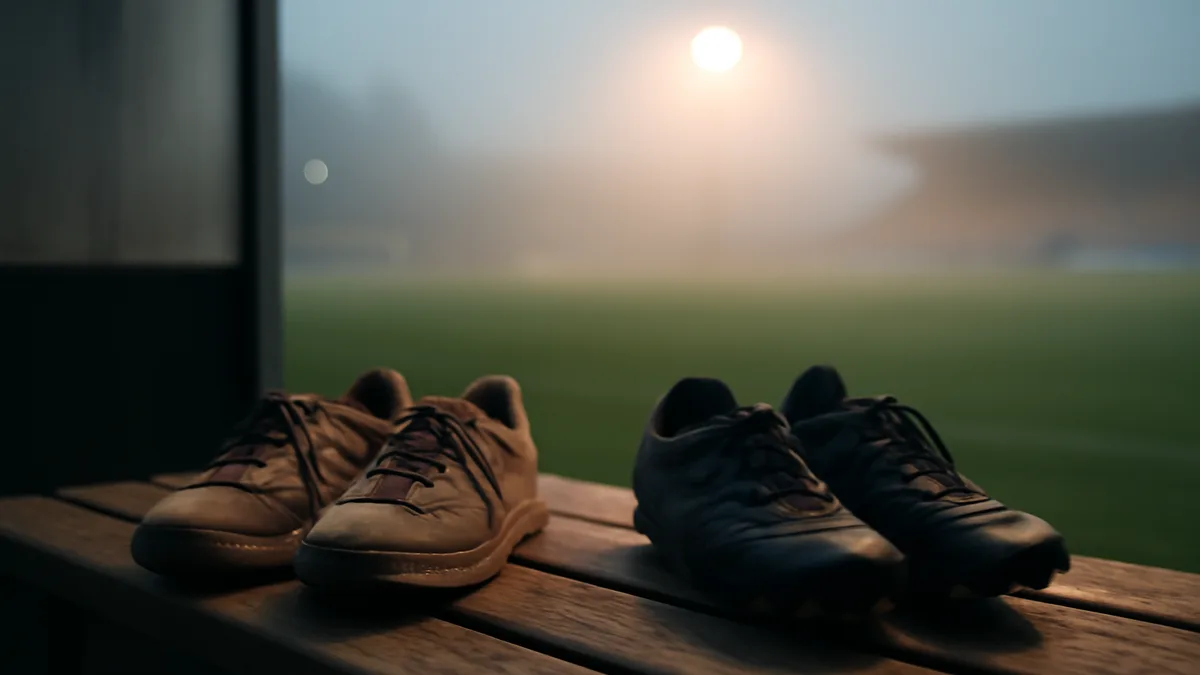
Buy shoes matched to the surface where the activity happens; wrong footwear is the single biggest cause of discomfort and early dropout. Trainers for gym work, running shoes for road or trail, indoor-court shoes for hard-floor courts, and cleats for grass or artificial turf each use different soles and midsoles designed for traction and support on that surface.
Correct fit
Fit is more important than brand or price: a properly fitting shoe or guard prevents blisters and reduces injury risk. Try items on with the socks you will wear in play, test movement that mimics the sport, and allow for a thumb’s width of toe room in most athletic shoes.
Basic protective gear
Buy only the protection required by the sport and competition level; this is equipment that directly limits injury. Examples include shin pads for football, a mouthguard for contact sports and wrist protection for racket players; plastic moulded shell guards and simple mouthguards cover most beginner needs.
Access and membership
Pay for the place to play before expensive kit: club fees, court booking costs or a gym membership are the clearest way to ensure the activity happens. If the decision is between kit and guaranteed access, choose access — regular practice will reveal precisely which kit upgrades truly matter.
A basic ball or implement
For ball sports, a regulation ball of the correct size is a cheap, useful buy that supports practice at home. For individual sports, a single, durable implement (racquet, stick, kettlebell) that matches beginner specifications will do far more for skill development than multiple specialised items.
Comfort clothing
Choose breathable, unrestrictive clothing appropriate to the activity and local weather rather than branded or compression-only garments. A simple set of sweat-wicking layers and a spare pair of socks keeps sessions comfortable and reduces the chance of cutting sessions short because of chafing or cold.
What can wait
High-end technology, flashy team kit, multiple spare pairs of specialised footwear and personalised equipment should come later. These items can be expensive and are often unnecessary while skills, position and weekly commitment are still being determined.
Table: comparing footwear types
| Type | Surface best for | Primary feature | When to upgrade |
|---|---|---|---|
| Trainers | Gym, cross-training | Flat, stable sole for lateral movement | If specialty lifting or court play begins |
| Running shoes | Road or trail | Cushioned midsole and heel-to-toe drop | After regular weekly mileage is established |
| Indoor court shoes | Hard indoor courts | Non-marking gum rubber sole for grip and quick turns | When joining a competitive team or league |
| Cleats | Grass or artificial turf | Studded sole for traction | After position and surface are confirmed |
Common mistakes beginners make
Buyers often pick flashy or high-priced items that solve problems they do not yet have. Early errors include buying a specialist shoe for an uncertain surface and assuming all brands fit the same. Another frequent mistake is skipping a simple safety item because it feels uncool; the payoff from a basic mouthguard or shin pad is immediate and objective.
Clothing and fitness trackers are popular impulse buys that can be deferred. Trainers and brands such as Nike and Adidas are known for broad ranges, while companies like New Balance are recognised for wider last options; use those reputations only as a starting point for trying items on, not as a final justification for spending more.
Beginner versus experienced needs
Beginners need durable, forgiving equipment that reduces barriers to practice. That means neutral cushioning, protective basics and a single, reliable pair of shoes. Experienced players will prioritise narrower performance details: a last tuned to a foot shape, a glove cut that favours grip over lifespan, or a racquet with a head size chosen for a developed swing.
Experience changes purchase timing. A novice should wait on specialist soleplates, personalised orthotics and high-end fabrics until a consistent schedule and preferred positions or playing styles are clear. Conversely, an experienced player replacing worn items can shop by specific technical features they already understand.
What to do next
Make three small purchases this week: shoes matched to the surface, one required protective item, and the minimum access (court booking or club sign-up) that guarantees play. Try gear in the context of real movement and return anything that pinches, slips or interferes with play. After a month of regular sessions, reassess: keep what works and budget for one targeted upgrade that addresses a real problem revealed by playing.
If the sport is association football equipment or running shoes, let regular use dictate whether to invest in more expensive, specialised models or personalised fitting services.
Frequently asked questions
Which shoes should a beginner buy first?
Buy shoes matched to the surface where most sessions happen and prioritise a correct fit over brand. Try shoes with the socks to be worn in play and favour comfort and stability for early weeks.
Is protective gear necessary for casual play?
Yes — basic protective items required by the sport reduce injury risk and are inexpensive compared with medical bills or lost training time. Start with the mandated items and add more only if a coach recommends them.
When should a beginner upgrade equipment?
Upgrade after a consistent month or more of regular play when a specific limitation appears, such as recurring blisters, lack of traction, or a coach’s recommendation. Base upgrades on repeated use, not one-off discomforts.


